Onimusha: Way of the Sword is the sword game to end all sword games
Rhianne Ward
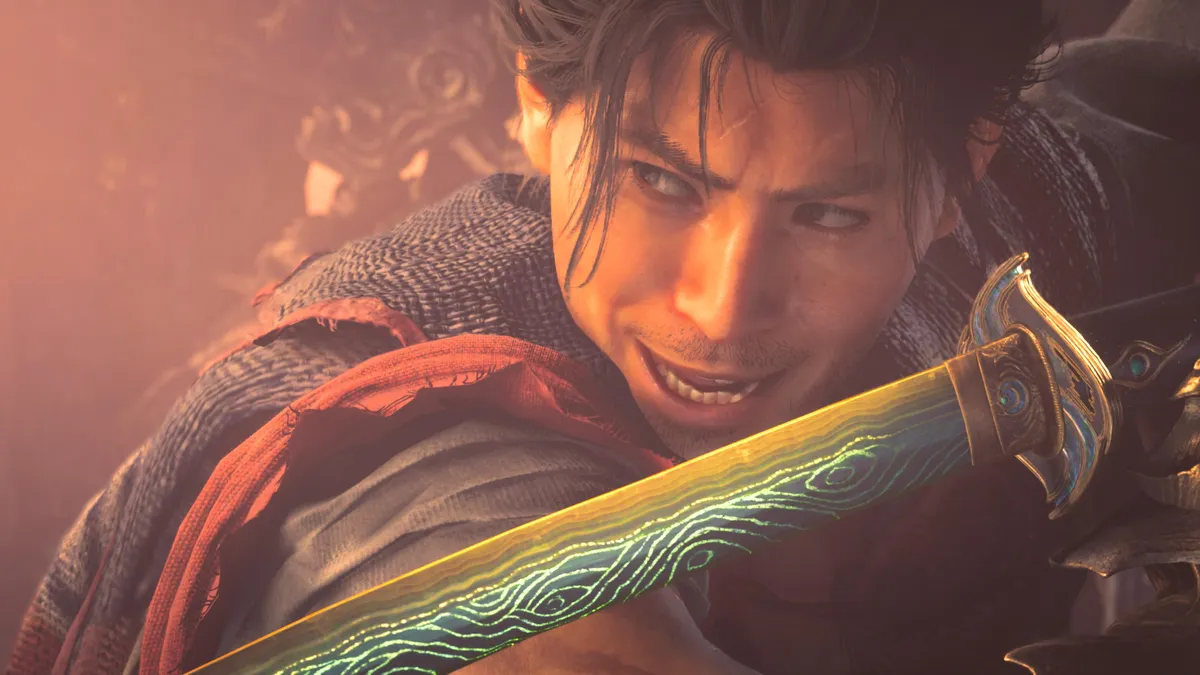
Swords: a staple of video games basically since their inception. It's the first thing Link receives in The Legend of Zelda, Mortal Kombat delivered them at their deadliest, and with every new console generation comes new attempts to depict the noble art of duelling. Some games get weird with it, like Kingdom Come’s convoluted but excellent positioning system, while other games opt for the simple button press, but they are intended to evoke a single concept: swords are cool. Now, in 2026, we are neck deep in the Parry Era. Ever since Sekiro: Shadows Die Twice graced the gaming world, it feels like action games, more and more, are seeking to capture that same magic. Some succeed, while others languish. It takes a special sauce to get that feeling down.
Capcom are no strangers to swords. Monster Hunter is chock full of ‘em! Big ones, small ones, skinny and thick ones, ones with shields, and even ones that turn into a buzzsaw if you're a bad enough dude for it. However, while those are undoubtedly some very cool swords, they don't evoke swordfighting. You are fighting giant beasts after all… not generally the place for honour and chivalry. However, they have had a more obscure IP up their sleeves with the potential to bring the swordsman fantasy, though for quite some time, it lay dormant. Until now.
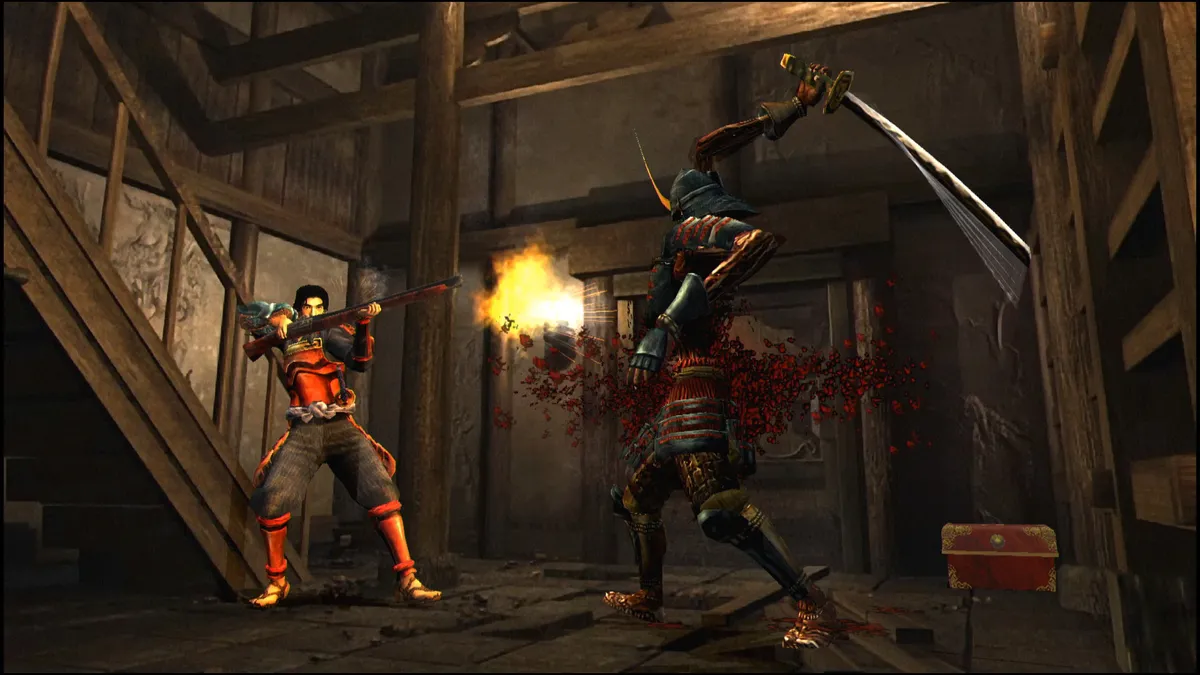
Onimusha: Warlords is an awesome wee game I only played for the first time last time. Released in 2001, it has a lot of the hallmarks of that era's Capcom output: fixed camera angles, excessive violence, and some truly iconic cheesy voice acting for the ages. Move over Resident Evil, a new bombshell has entered the villa. It's a surprisingly strange game. I'm not sure what I expected, but what I got was essentially just a more action-focused Resi game set in medieval Japan. There's a surprising amount of friction. Weapon and armour upgrades are supposedly optional, but if you don't find them, you're basically fucked. It reminded me of Ys, weirdly, where the sword you start with is utterly dwarfed by the strength of your sword at the end. Thankfully, the map isn't terribly big or complicated so finding them wasn't exactly tough, though I'll confess that I had to look up locations of things a couple times when I'd inexplicably run past some obvious chests and treasures.
Story-essential doors are often locked not by keys but instead by differently coloured orbs, which represent varying upgrade levels, so you're incentivised to grind a fair few times to meet the cap. Strangely, I never found it egregious, and a big part of that was just the combat fundamentals being completely rock solid. The game is challenging at times, and these grindy bits are an opportunity to mow some unsuspecting enemies down who might have been a bother an hour ago. Simply put, it's a lot of fun to push buttons and let the fireworks fly. On the subject of that story, I won't lie to you, it's basically nonsense. The protagonist is a total snooze, and his mission is kinda just whatever. He's a straightforward good guy protecting an heir or something from demons known as Genma, and there's a ninja lady involved somewhere in the middle of it all. I'll be honest, I can't remember too well, which frankly says a lot. I recall the ending being quite abrupt and weirdly melancholic given the comparative dryness of the rest of the plot. Something struck me, I think, about the way the end credits slides explain how every character you meet in the game either goes missing or dies, and their tale seems to just become lost to history. It's honestly kind of cool, and almost definitely unintentional.
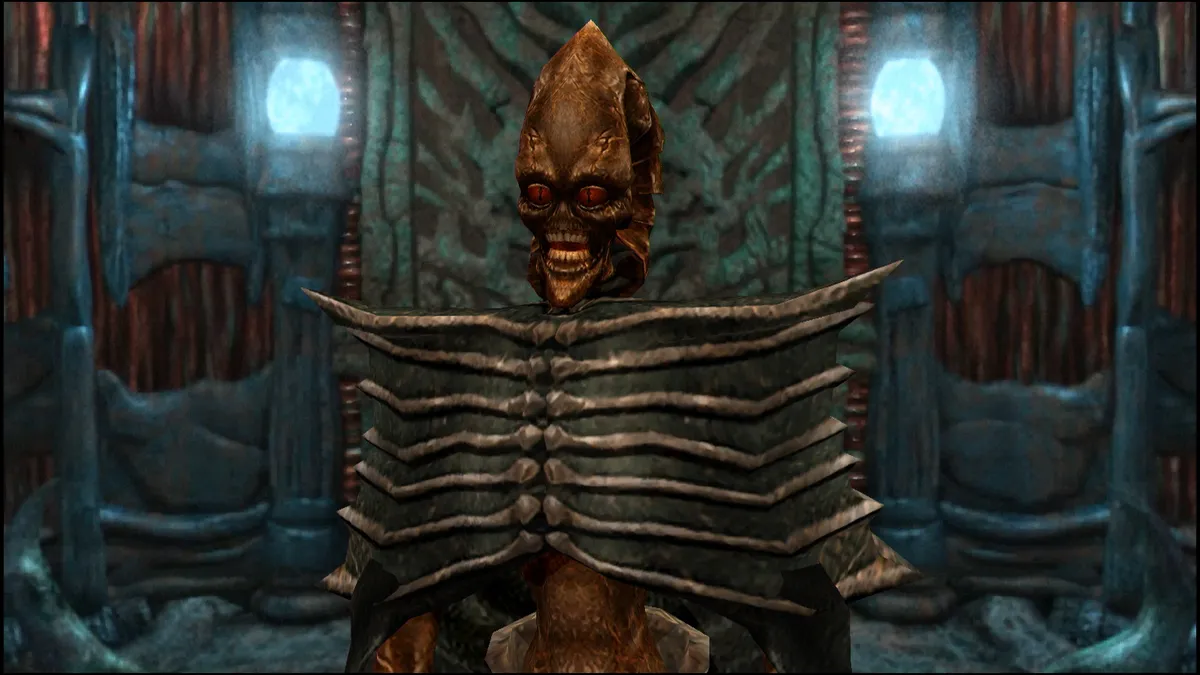
Of course, the real stars of the show are the Genma. They are so much fun! I love how they talk a lot, and they just loooove being evil. Special shoutout to my good friend Guildenstern, with his iconic “Come, Marcellus! Go, Marcellus!” line which, because I kept dying to the boss following this cutscene, he shouted over and over again, and now it's seared into my mind forever! The villains are what give Onimusha its unique identity, I think. Amongst a cast of very flat goodies, they are a beacon of light in the darkness. Not to mention, they are so unapologetically evil that it fills me with such a righteous desire to destroy them.
I love Onimusha Warlords, despite its shortcomings. It's pretty short and bizarrely anticlimactic, but ultimately for the price of admission, you're getting a really fun game with some gorgeous PS2 fixed camera framing and a delightful rogue's gallery to cut through. As such, when Capcom announced they were bringing Onimusha back for the first time in two decades, you just know I promised to be there on day one.
So how is the new entry, Onimusha: Way of the Sword? Is it an explosive return to form, or a forgettable dud? Well, let me put it this way. Every year for the past few years, Capcom has released a game that sits among my favourites. In 2023, it was Street Fighter 6, the game that convinced me I actually could love fighting games, given the right excuses. 2024 brought me Dragon's Dogma II, hands down one of the best adventure games I have ever played, boasting a level of freedom and directorial intent you rarely experience, let alone in a blockbuster project like this. Finally, 2025 was the year I finally understood Monster Hunter through its latest release, Wilds. It took me the whole year, but 200+ hours later, I can safely say it has its Seregios claws in me. 2026 has already played host to some veritable bangers. Resident Evil Requiem is a blindingly fun expansion upon the series formula, while Pragmata is a very sweet and surprisingly understated experience, with a unique combat system to boot. However, I'd hesitate to say either of those are scratching the five-star itch nagging at me, and Onimusha is the last big release of the year, and Capcom's last chance. It's an unreasonable ask, I know, but could Capcom manage a historic four in a row success rate?
Yes. Not to spoil the surprise, but I adored Onimusha: Way of the Sword. In so many ways, it is everything I wanted it to be and more. I think what the success of this game comes down to is pure clarity of purpose. This is a sword game, through and through. Everything you do revolves around and informs your capacity to swing a sword. Every mission, every collectible, every odd job is just another excuse to swing a sword at some bad guys. Running from point A to point B would be tedious, were it not for the swordfights in between. Your only mode of communication as a player is through swordplay. All of your resource collecting and victories feed back into making swinging your sword more exciting and efficient. Onimusha: Way of the Sword (which I'm just going to call Onimusha from now on for brevity) is delightfully focused in its approach.
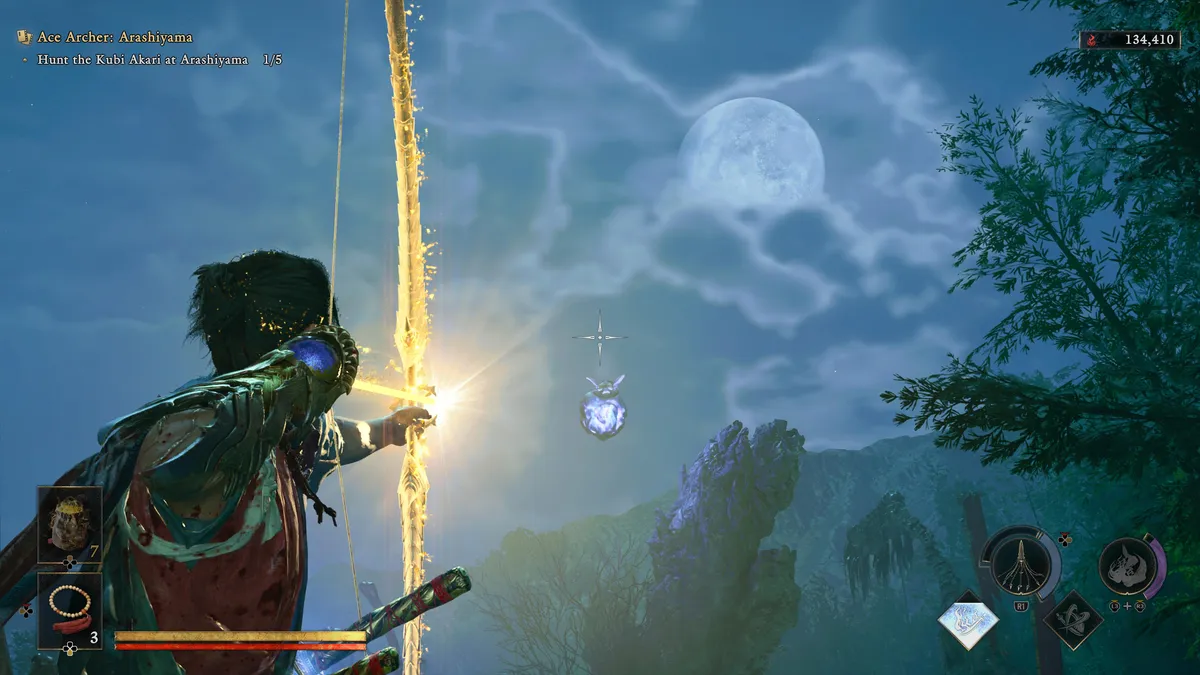
But wouldn't that become tedious? Doing the same thing, over and over again, for 30 hours straight? I can understand that sentiment, especially when the asking price is a sickening £65. However, I ask that you don't despair, because I promise you that this game is worth it. What it comes down to, much like its predecessor, is fundamentals. On the most basic level, how good does it feel to swing that sword? This might be bold to say, but Onimusha has the best feeling melee combat in a video game since Sekiro. I do not say that lightly. I adore Sekiro! But when bouts with literally the starting enemies are still fun right at the end of the game, it means the game must be doing something right. Whatever it is, Onimusha makes it feel effortless.
Of course, nothing could be further from the truth. An astonishing amount of work has clearly gone into the animations to craft a combat system as smooth and flowing as this one. Musashi, this game's protagonist, slides through attack combos into deflections and parries like butter in a hot pan. Not only does it feel good to play, it also does a lot to illustrate Musashi as a capable swordsman, which is good when the art of swordfighting is his life's passion. Not that this is the only thing that characterises our protagonist, but it does help to establish that when people speak of him as a formidable force with a history of mastering his craft, you believe it. I'll get more into Musashi and the rest of the cast later when I talk about the story, but the important thing is this: for the purposes of combat, the player IS Musashi, so portraying him as cool and talented entirely through gameplay makes you, by extension, feel that way too. And who doesn't love feeling cool and talented?
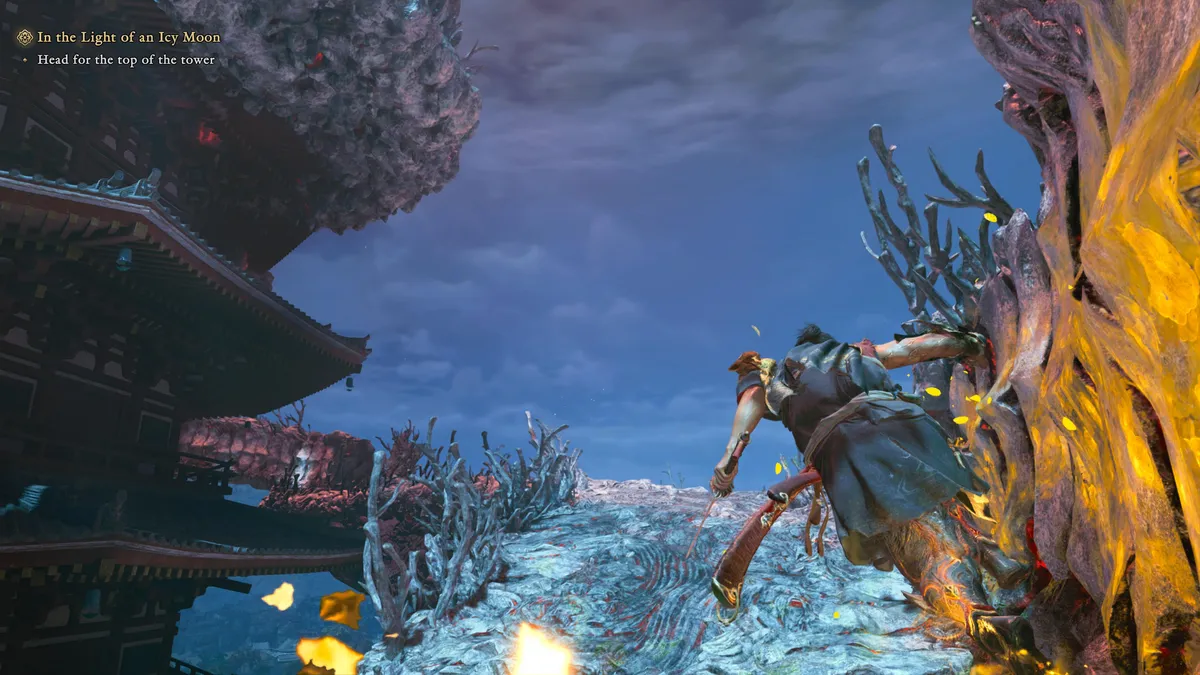
Crucially, however, none of this ever feels automated, like the game is showing off a cool thing rather than letting you do the cool thing yourself. As an example, Zenless Zone Zero has similarly flashy combat from a cast of colourful characters, but that game kind of plays itself in a lot of ways. That's not a bad thing, per se; rather, its intentions are simply different. The intent is less to make you feel like you're conquering insurmountable odds through your mastery of a complex swordfighting system, but instead to input simple button presses and watch the cool characters you probably spent hundreds of dollars in the digital slot machine acquiring do cool things for you. Okay, maybe that's a little bad. Definitely errs on the side of nefarious, I'd argue.
However, Onimusha is a game about getting really good at swinging a sword, so that style would simply detract from the intended effect. As such, the smooth animation merging technology works in tandem with a very deliberate combat system in order to deliver as convincing a simulacrum of you as a mythical samurai as possible. To get into minutiae, parrying a swing delivers such astonishingly satisfying feedback. The camera drifts into a cinematic angle as you watch your blade slide past your interlocutor's, hear the scrape of metal upon metal, and feel the friction in the deflection through your controller. By the end of this brief interaction, you have a full sense of what happened, the ways in which it changed the dynamic of the fight, and, most importantly, how fucking good it felt to nail what you just did. It just works! It works to such an extent that, like I said earlier, fighting even the most basic enemies continues to be fun, 1000 encounters later.
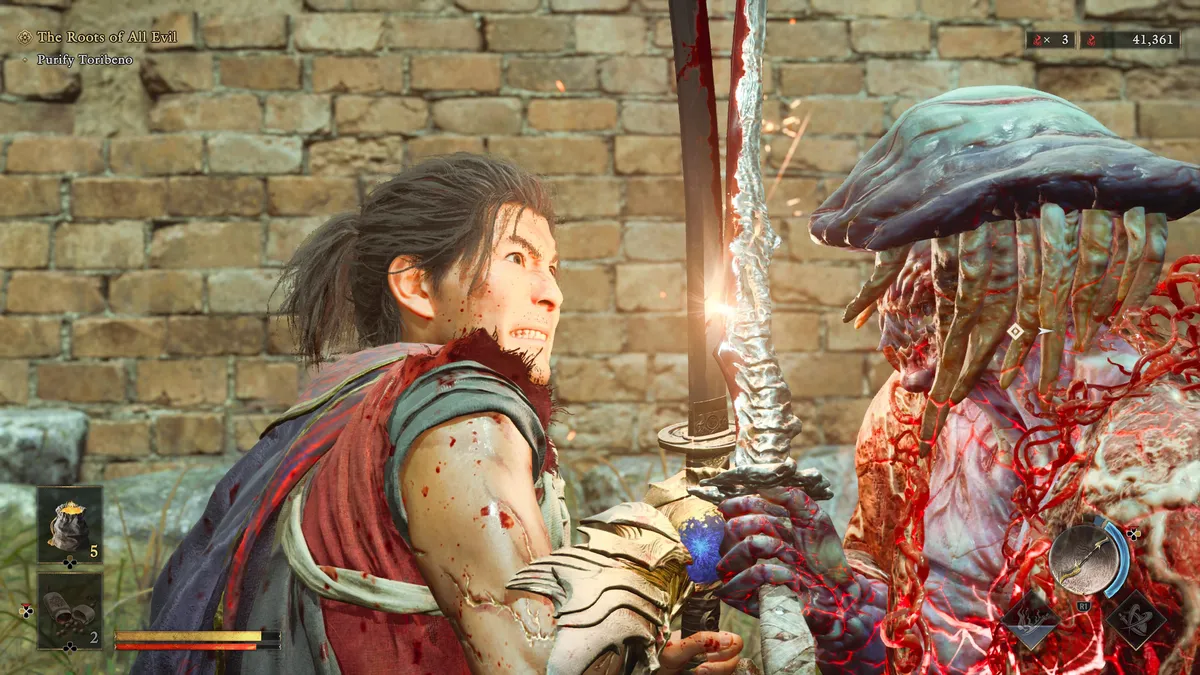
But even a sword that feels good to swing does not a consistently fun video game make. It's all sunshine and roses until you find a specific set of button inputs that reliably wipes the floor of every enemy type. The game designs its enemy AI specifically around chafing against your plans, and it's all the better for it. Take the most basic sword-wielding Genma, for example. You can cake walk the majority of these guys with the right combos. However, on occasion, they will sidestep one of your swings, and all of a sudden, you've left yourself open to a counterattack, and the dynamic of the fight changes dramatically. Suddenly, you're on the defensive. Do you just block the strike, a safe but reliable option which leaves you briefly staggered and vulnerable to other enemy attacks, or do you parry the incoming blade, a riskier move that gives you an immediate opportunity to counter.
You can also dodge with a similar timing window to a parry which, with the right skill point investments, builds up a reflex meter that, if filled, can result in a devastating flurry of blows which, more often than not, leaves your interlocutor diced into a handful of bloody pieces. Even when the enemy is dead, they drop orbs you collect by holding L2, which you can use to invest in upgrades or build your special meters, and you get bonuses if you collect a lot of them at once. However, some enemies are able to absorb them too, buffing their attacks, so you are always choosing whether or not to take the chance or cash in early to save yourself the trouble. At all times in Onimusha, you are presented with a roster of options to choose from which you must sort through in the heat of the fight. I can't stress enough: nearly every fight is like this, and at its best, caked in mud, on the brink of defeat, it is absolutely exhilarating.
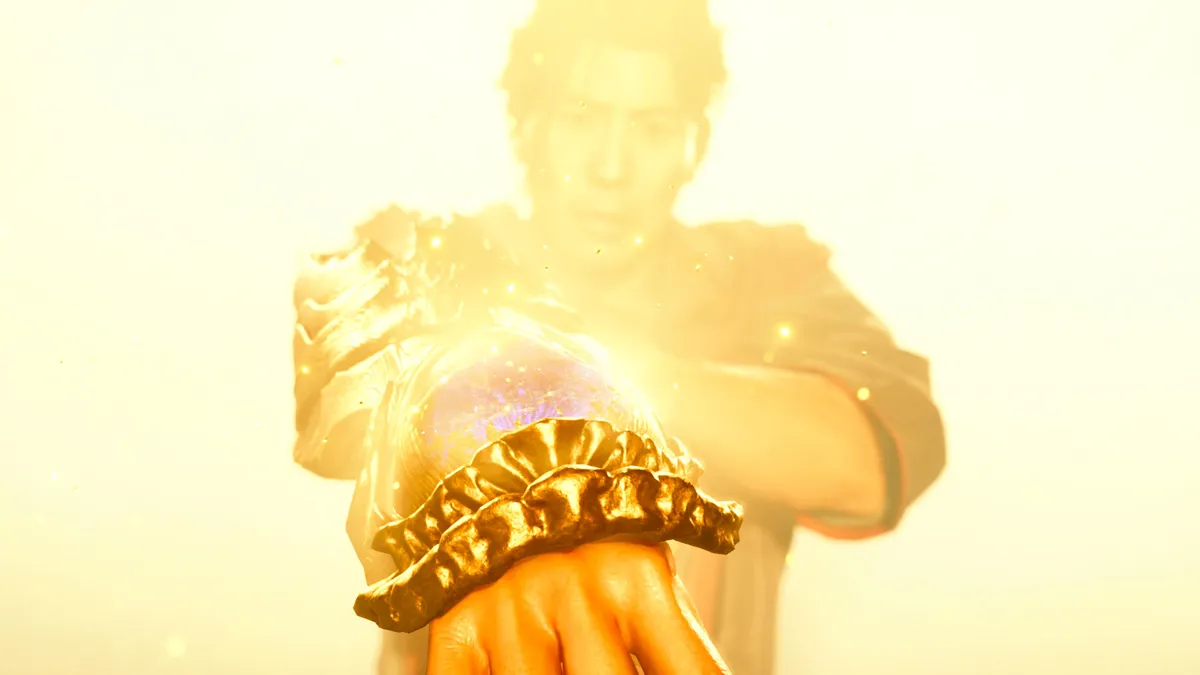
Like in the original game, the sword isn't your only option in combat. As the game plays out, you get a veritable arsenal of Oni armaments to pick from. Initially, you receive dual blades, but you can unlock more as the story progresses, and each of them provide a different boon. You can also switch between them at any time during a fight, which comes in handy during multi-phase bosses where the pace of the battle can shift and new tactics are required. Do you want to do health damage, or break their stamina? It's your call, and the game provides enough freedom in combat to make it.
The only catch is you have to build up a gauge in order to use them, which you do by defeating enemies and absorbing the blue orbs that erupt out of them upon death. For many fights, it's essential to find breathing points within the action to collect souls, and that kind of decision making is what creates the kind of super satisfying flow states I've only really experienced Ki pulses in the Nioh games. For the record, when your game is getting compared to Nioh favourably, you've done something insane. Combining moves together in unexpected ways adds a lot to the sense that you're finding your own mode of expression in combat, which is exactly what you want in a game like this. Later on, you unlock an ult state which I won't spoil the details of but rest assured, it is not only extremely cool and fun, but also slots into the masterful ebb and flow of Onimusha’s encounters.
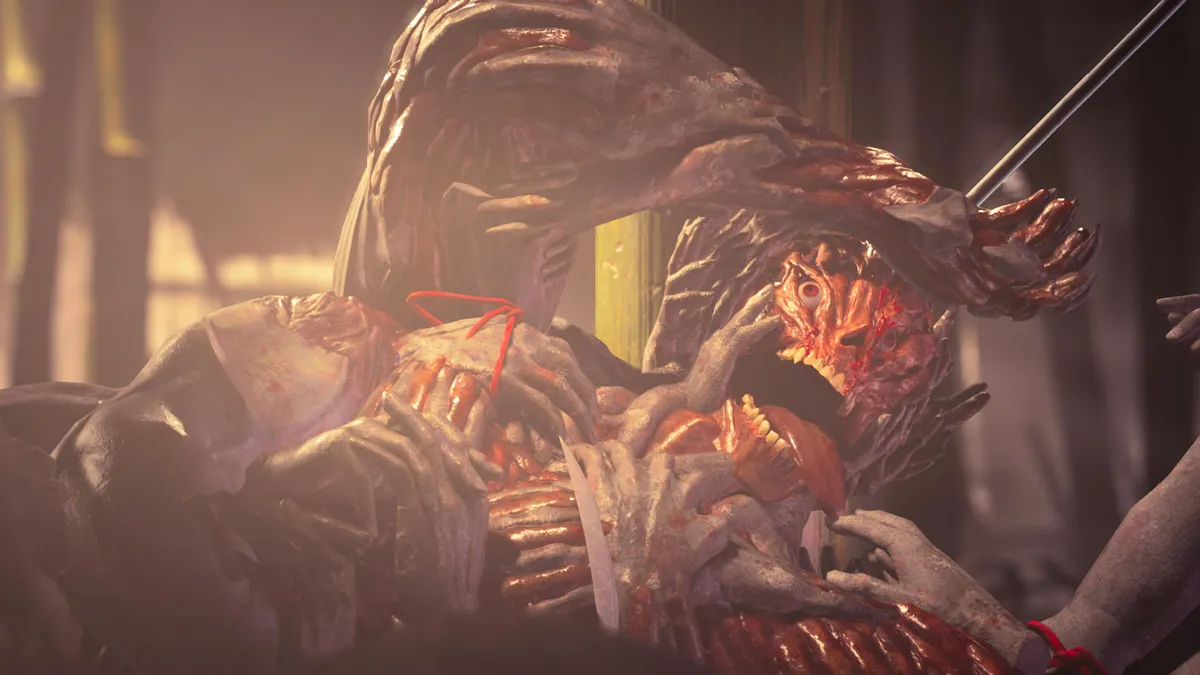
What about those encounters then, or more specifically, the bad guys in them? How's the enemy variety? Admittedly, not that diverse. My mentioning of those starting enemies was made in the positive, but it might have made you wonder, “well, surely you're not seeing them that much beyond the early hours?” and you would be wrong! There's not a whole lot of different enemies in Onimusha. We've got your standard sword guys, bow guys, shield guys and even tougher sword guys, their upgraded reskins about halfway through the game, and parasitic variants who have the same movesets but can buff their weapons with orbs. Beyond that, there's a handful of different foes, like floating heads that spit blue fire at you, lizards that spin at you like beyblades and fish variants who spit water at you and then do the same spinning routine when on land, ninja guys who do a lot of feinting and dodging, and these homunculous enemies that roll at your or hit you with sharpened tentacles. As far as basic enemy encounters go, that's basically your lot. Mini-bosses are similarly light in variance, in that there are only two types: Byakue, a big hair axe-wielder, and Dohatsu-ten, a yoked swordwielding demon.
But is this an issue? The answer to that should be self-evident. Or is it? I can only speak to my own experience, but I never got bored of any of them (except the homunculous guys, who I forgot about until I started writing this bit and had to go back and add). Due to how sophisticated the enemy AI is, and Musashi's own range of combat options to pick from, no two encounters ever really felt the same. There's a pretty good diversity of combat arenas which often change up how you choose to approach fights. There's even improvised weapons to use in some places which also changes up the dynamic nicely. In a game with less mechanical depth, I can see the lack of enemy variety becoming frustrating, but in Onimusha I was quite simply always having a good time. Even those two mini-bosses never stopped being fun. They presented enough of a genuine challenge that I was always excited to see them, because it meant I got to keep refining my skills against them.
This applies to the other bosses too. The difficulty hike between ordinary encounters and the bosses is honestly pretty startling the first go around. I went from having a pretty breezy time to getting my ass stomped by Sasaki Ganryu. Onimusha expects quite a bit from you on the Action difficulty level, which I wasn't expecting but welcomed with open arms. For the most part, the bosses in this game are pretty incredible and a sincere challenge to overcome. Parry windows are narrow and this game isn't above playing dirty tricks to try and best you. It pulls no punches, and I love it. Not to mention, this game has what all games like this probably ought to have: boss rematches. There's a training area where you can face old bosses all over again, as many times as you like. Ordinarily, when I beat bosses in a game like this, I'm quite happy to be done with them, but in Onimusha, I relished the opportunity to face them again. Sometimes I would struggle through a fight and just about get it done, feel bad like I didn't deserve the win, and go out of my way to face them again, properly this time. That's not like me at all, and I think that speaks to how unbelievably fun this game is, all of the time.
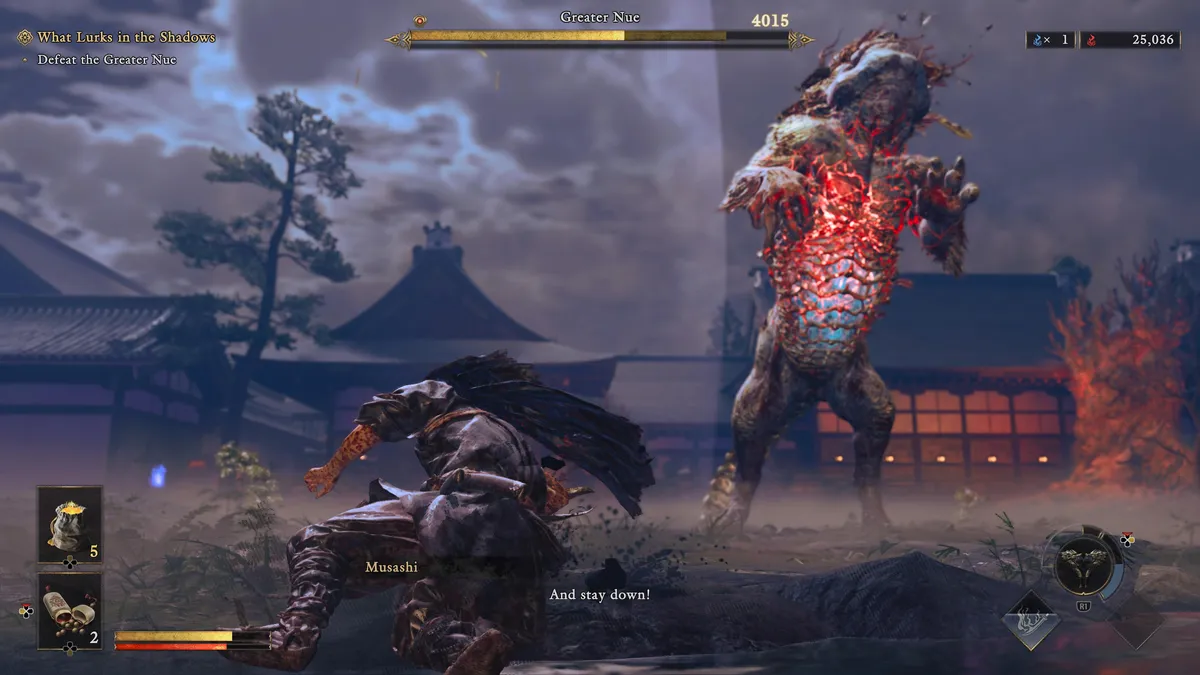
The only boss I couldn't beat on Action difficulty was the final one. I got stuck on that motherfucker for FIVE HOURS, and managed to get them down to near death before bottling it, giving in, and turning the difficulty down. I was surprised to find that Story difficulty is still genuinely fun and not the cake walk I had dreaded, but it was definitely the only reason I managed to see credits on this game before Fire Emblem came out. I'm not ashamed of it exactly - I'm an adult with a busy life and I tried my very best - but I'm not gonna lie, this still haunts me. Thankfully, I know that one day, when the time is right, I know the bastard is waiting for me on the training grounds, and I will defeat them. In the meantime, I hope this is suitable evidence that this game is a toughie if you're into that sort of thing. Which I am!
Earlier, I said that Way of the Sword was everything I wanted and more. What did I want though? Well, in order to meet my expectations, this game needed to be a fun swordfighting experience, which I hope in the past 2000-or-so words I have shown it managed with aplomb. So what's the “more”?
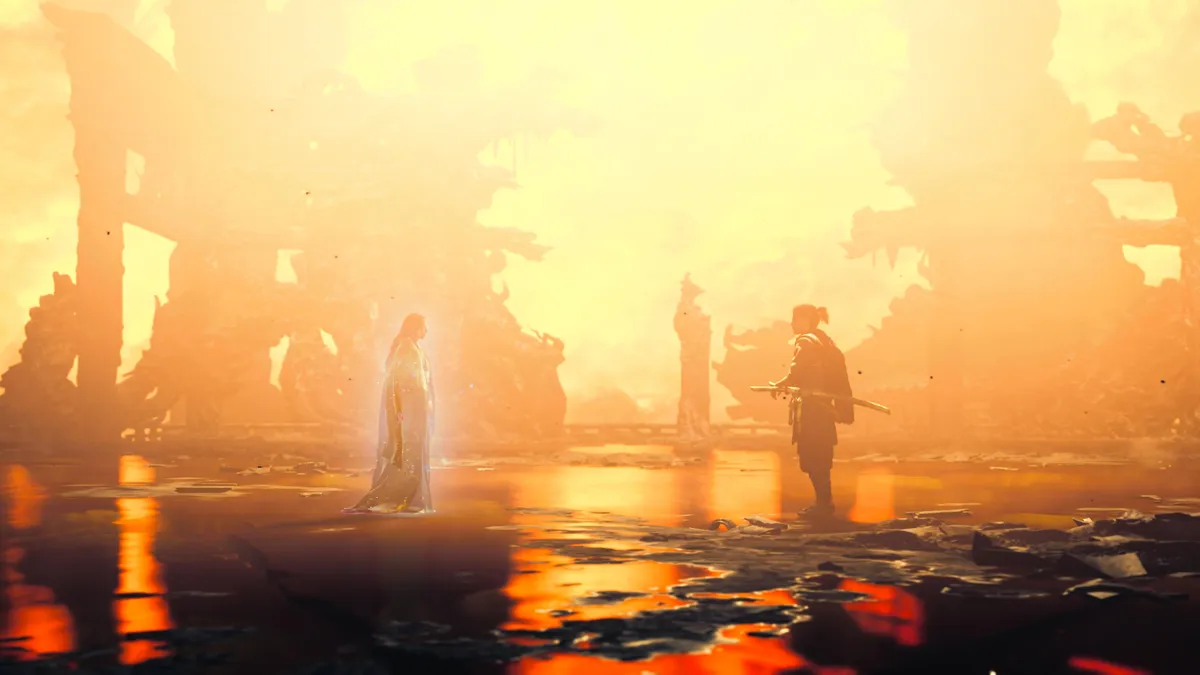
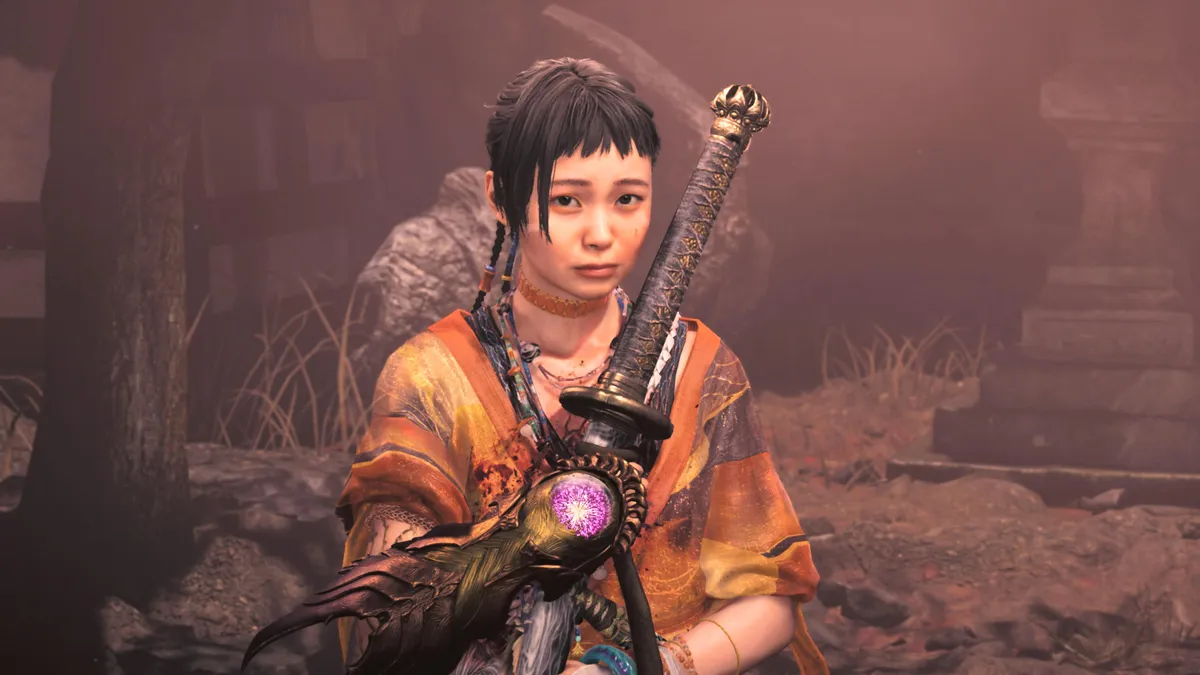
Well, colour me shocked, but I actually liked the story in this game! I call it a shock because Warlords... let's just say that game prioritised certain things, and story was not one of them. Like I said earlier, it's basically a load of shite, and I was emotionally prepared for much the same experience. What's really interesting about Onimusha’s storytelling is that in terms of tone, very little has actually changed. There's a fairly clear line between good guys and bad guys, the Genma absolutely love being evil, and the mission is of apocalyptic significance. However, the biggest difference simply comes down to care. Where Warlords handwaves the finer details, Way of the Sword hones in on them. The good guys are more or less unambiguously good, but their personalities, and the ways in which those personalities interact, makes this game much more engaging. Protagonist Musashi is already a fun character to inhabit - a dedicated swordsman thrust into the role of reluctant hero - but his arc is strengthened by the connections he makes throughout the game. Shizuka, Okuni and Takamura all bring their own individual flavours to what becomes a very endearing found family unit.
This focus on human connection as a key differentiator against the Genma hordes is a great narrative play, because it only enhances the abject villainy of the antagonists. These bad guys are cartoonish in their devilish ways, but the game isn't afraid to lean into some genuinely nasty shit. What makes it so effective is that these heinous acts are often perpetrated against the people you have already grown to like. When Okuni is confronted by grotesque body horror, it is personalised to torment her specifically. It's not just a terrible thing, but so deeply personal and designed to hurt with surgical precision, and this only stokes the flame of righteousness needed in my heart to put an end to these evildoers. It makes overcoming them feel good, not just because it's fun to overcome challenges in video games, but also because it strengthens the bonds between Musashi and his companions in real, beautiful ways. I was very fond of this little troupe, and VERY invested in seeing them through the darkness.
I've spent a long time singing Onimusha’s praises, but I must admit, the side quests are where it falters the most. They aren't bad necessarily - in fact, some of them are pretty engaging - but their stories do feel somewhat undercooked. They act as a fun extra excuse to do more combat, and you'll never hear me complaining about more Onimusha combat, but I must admit, these are the moments where the game starts to feel stretched thin. The same mid-level bosses are cycled through numerous times, as do the enemy types which tend to repeat fairly frequently as well. None of these baddies never stopped being fun to fight, though this is when the game loses some of its effortless sheen, and the cracks begin to form. Ultimately, it's a video game with limited resources, so repeated content isn't the worst thing in the world, especially when it's this good. However, I can't deny these moments were the ones where I felt the least engaged in Onimusha’s world, and I don't know what that is, but it's certainly not good.
One side quest in particular involving Shizuka and the fate of the Oni crosses over the line from forgivable to genuinely quite bad. The storytelling and the level design both feel woefully undercooked. Each time this storyline is pursued, it teleports you into Hell, and you solve one very basic environmental puzzle each time. Once that's done, you're given a snippet of dialogue from a mysterious Oni figure, who then disappears, and you're rewarded with more unlockable skills. It's brief and forgettable every time, and not only that, the delivery sucks too. For most of this storyline, I had assumed the figure was a ghost - a remnant of a memory now past, captured briefly for Musashi and Shizuka to view - but by the end, it turned out they were all having full conversations the whole time. Now, I might just be stupid, but if I'm not, then this speaks to a pretty dreadful misstep on the game's part, likely a consequence of significant cuts to dialogue. Alternatively, the scenario was rushed together late in development to fill out the game a bit more and find an excuse for staggering skill availability. I can't say for sure, but what I do know is whatever happened here wasn't the answer to whatever problem this quest existed to solve.
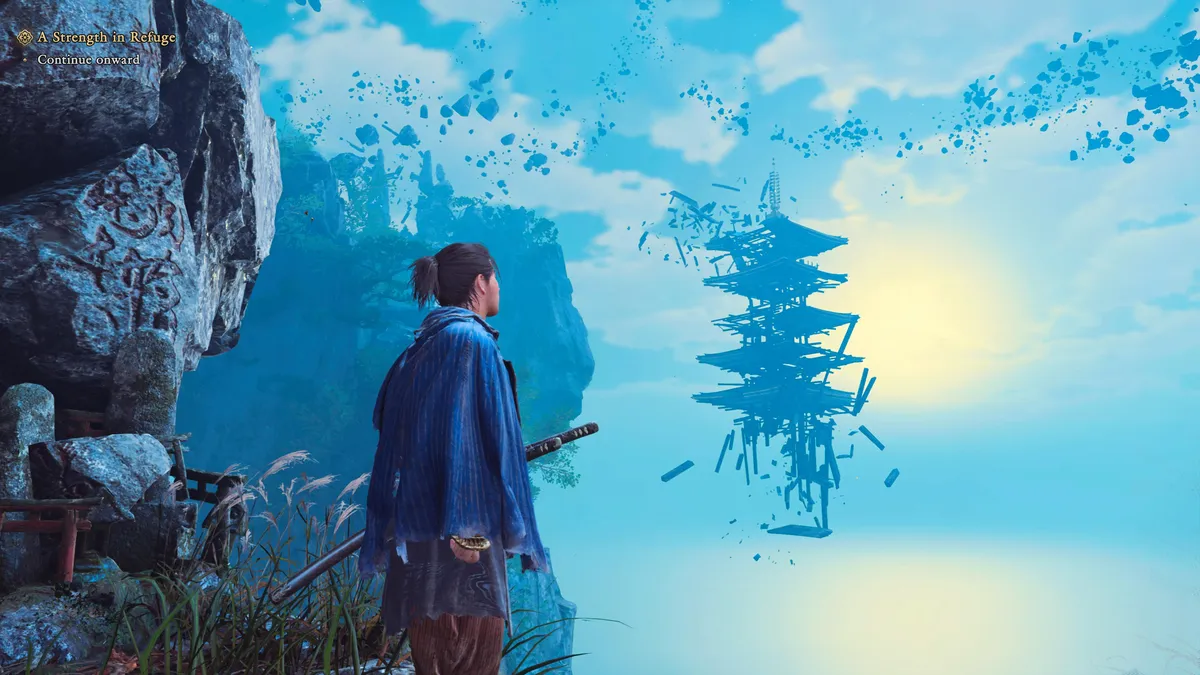
Ultimately, though, these are brief blemishes on an otherwise near flawless experience. Onimusha: Way of the Sword is a staggering achievement. It's the kind of game that looks incredibly cool in marketing, and still, those trailers do not do it even a fraction of justice. Through a careful attention to detail and a developer's adoration for the beauty of combat, you feel every swing, every clash, every near miss and near fatal blow, to an extent incomparable to anything I have ever played. Onimusha releasing now, following the generic-looking Ghost of Yotei and preceding the somehow generic-er Wolverine is such a strong statement from Capcom that they are the industry standard for high quality single-player output. It has been a phenomenal year for the Japanese developer, and Onimusha is not only a wonderful sendoff for its 2026 roster, but a prime example of saving the best for last. Onimusha: Way of the Sword is, as it stands, THE sword game of the 2020s. I highly doubt anything will beat it, with the exception of, God willing, this game's immediate sequel. Way of the Sword is sincerely fantastic, but in a way, the best part of it is the foundation it lays is so strong that I can envision a future for this series where it can be surpassed. Time will tell, but regardless, I await that future with baited breath, hand rested on my blade, ready to draw.