Rhianne's Favourite Games of 2025!
Rhianne Ward
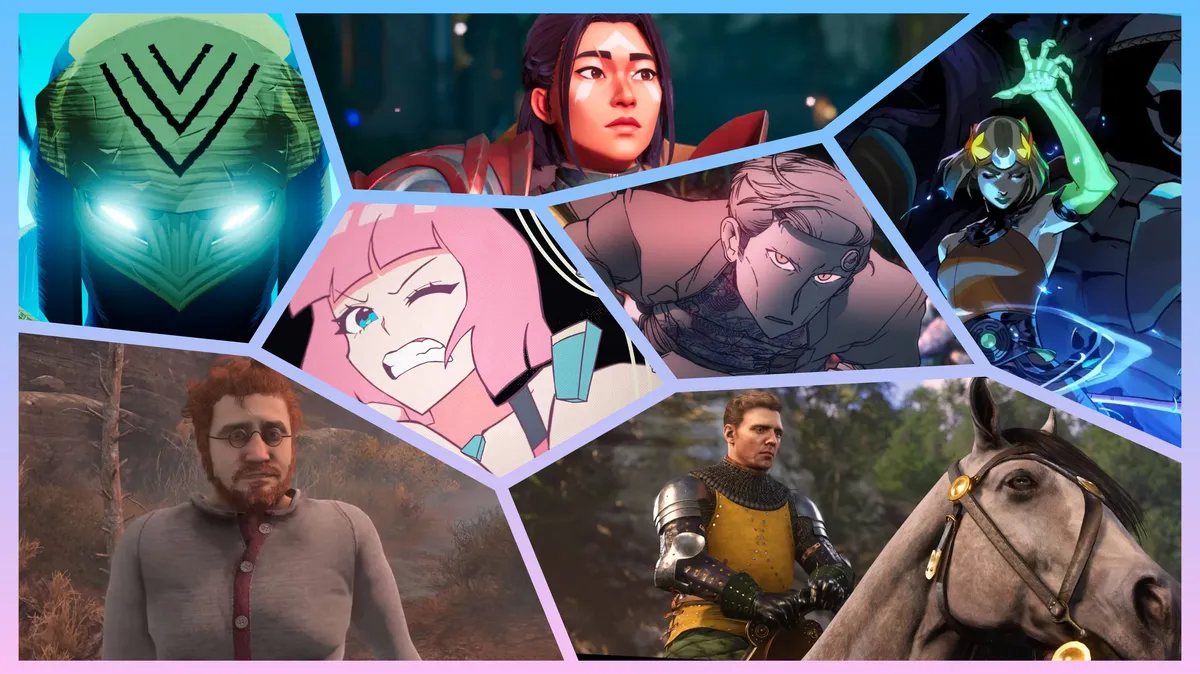
2025, amirite?
I want to avoid too much preamble, but I'd like to link you a Spotify playlist I made featuring each of the games on this list, in order from 15 all the way to number 1. If you want the optimal reading experience, then I recommend this: put it on in the background while you read each section, get a sense of the vibe of each game, and enjoy the tunes that defined my year. Obviously this is optional, but I thought it might be a bit of fun :P
Now, without further ado, here's my favourite games from the year. 35 played games, narrowed down to my fave 15. Enjoy!
15. Keep Driving
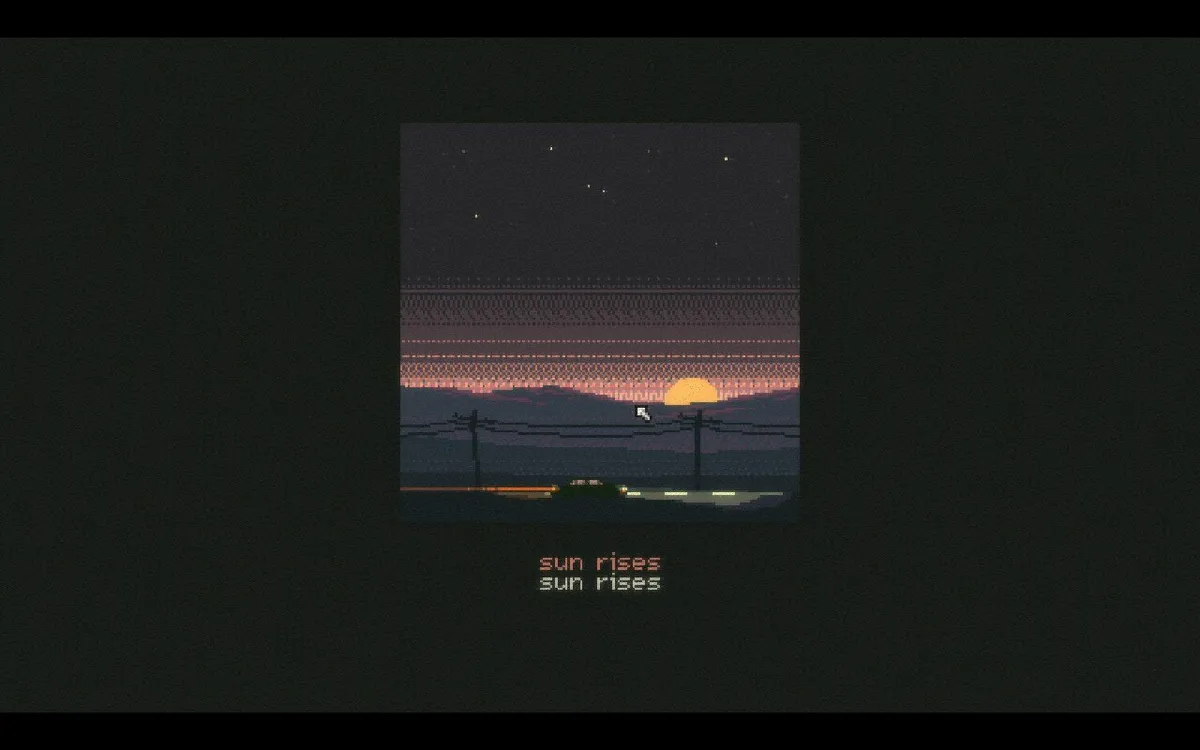
Something I am yet to do in my lifetime is indulge in a classic road trip. I've been on long car journeys before lasting many hours, but the idea of picking a destination and just driving for a week or more, making tourist-y stops along the way, feels very American. The humble little UK isn't big enough to facilitate a journey like that, and it makes me a little sad. I like the sound of it.
Keep Driving, therefore, is something of a dream-fulfilling indulgence for me. Made by Swedish developers attempting to capture early 2000s America from an outsider's perspective, the game can feel like a romanticised vision of the road trip concept. That being said, the game is not by any means a sanitised vision. Keep Driving is regularly weird and messy, with a distinctive presentation and a true love for the transformative magic of random encounters. It's a roguelike by design, where each road trip will unfold slightly differently, but it's not an amalgamation of short stints. The game wants you to relax when you can, smell the roses, and indulge in its spider’s web of intersecting threads. At the start of every new run, the game reminds you: “you're young, take it easy, you have time”. In an oftentimes intense, high-octane subgenre of games, it's a nice change of pace.
Keep Driving is the kind of game that just feels so special from beginning to end. There's nothing else quite like it, and it'll be a hard one to forget.
14. Lost Records: Bloom & Rage
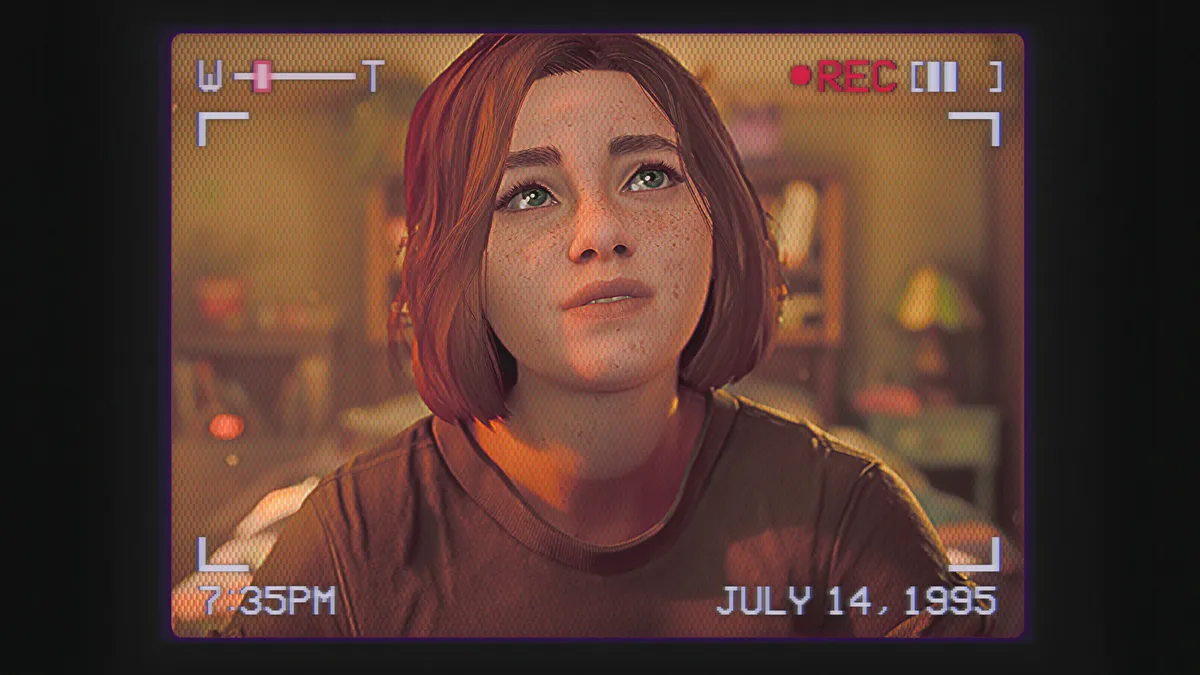
Growing up is a mess. You make friends, share formative moments, then lose them, and trying to recollect those times becomes an exercise in parsing through a haze of nostalgia and distortion. I spent my teenage years deeply closeted in a number of ways, while my grades dramatically tumbled off a cliff, so I sometimes struggle to remember those days. It blends together into a grey miasma, and the details are fuzzy, but they all unmistakably, unavoidably, mattered.
That's how Lost Records felt to me. It's a game about looking backwards and confronting all of your soul, the good and the bad, as honestly as you can. The results of that endeavour aren't always fun, but certain beats stick out. Big moments, like holding an impromptu concert outside a local bar, but the little things matter too. A time you said the wrong thing to someone or told a cringey joke, or you stared at your friend for a little too long and felt something strain in your chest. You spend the whole time thinking everyone around you has it figured out, when they're all just as confused and frustrated as you. After all, you're only…16? 17? It doesn't really matter.
Life is Strange and Tell Me Why show Dontnod’s talent for crafting compelling mysteries, but Lost Records is more grounded than that. It is adolescence manifest, for better and for worse, and I wouldn't want it any other way.
13. Kingdom Come: Deliverance II
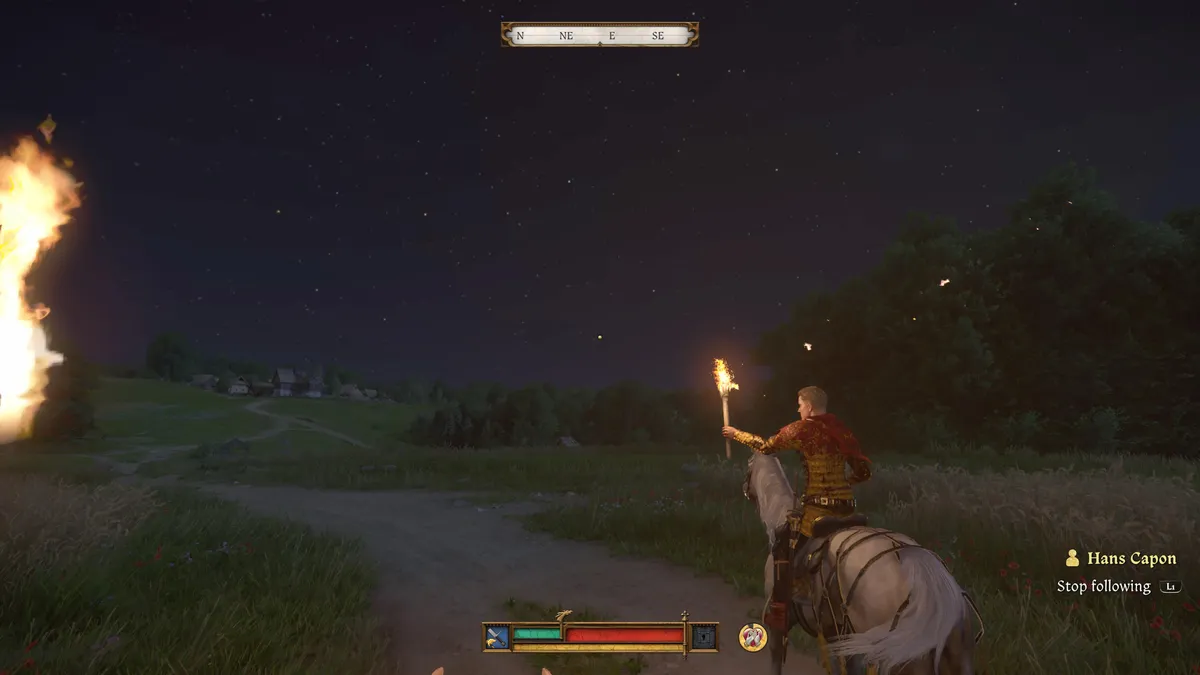
Stripped down to his briefs and humiliated in the stocks for starting a tavern brawl, my Henry of Skalitz spent the first 12-or-so real life hours stumbling around a foreign land, trying desperately to figure out the absolute basics of staying alive. From scratch, he went from picking plants in the woods for potion brewing to apprenticing for a blacksmith. He spent a full day crafting swords, only to discover a pathetic return on investment when it turned out everything he made sold for dirt cheap. Around Hour 8, he managed to fumble his way through a fight with a bandit, stole his armour, and used his newfound blacksmithing talents to fix it up, and all of a sudden, he felt like the knight he'd always dreamed of becoming.
Kingdom Come: Deliverance II is a game about figuring your shit out. Starting with nothing, every little step you take toward progress, be it finding a decent sword or keeping yourself fed, is yours alone. When I got that armour and a shield, I nearly cried, because you truly feel the difference. I think it speaks to KC:D2’s strength as an RPG that this moment came completely organically, and yet I recall it as one of the defining moments of my playthrough. Similarly, finding my horse and no longer having to trudge up and down the roads by foot felt truly herculean. Everything in KC:D2 is yours to achieve and discover. It's a really special game.
However, it is, by design, a very crunchy experience. Eating, sleeping and bathing are all essential activities to partake in, and while I found the process of maintaining all those things to be deeply rewarding, another person might call that annoying. If what I described sounds like your bag though, I can't recommend it enough.
12. Unbeatable
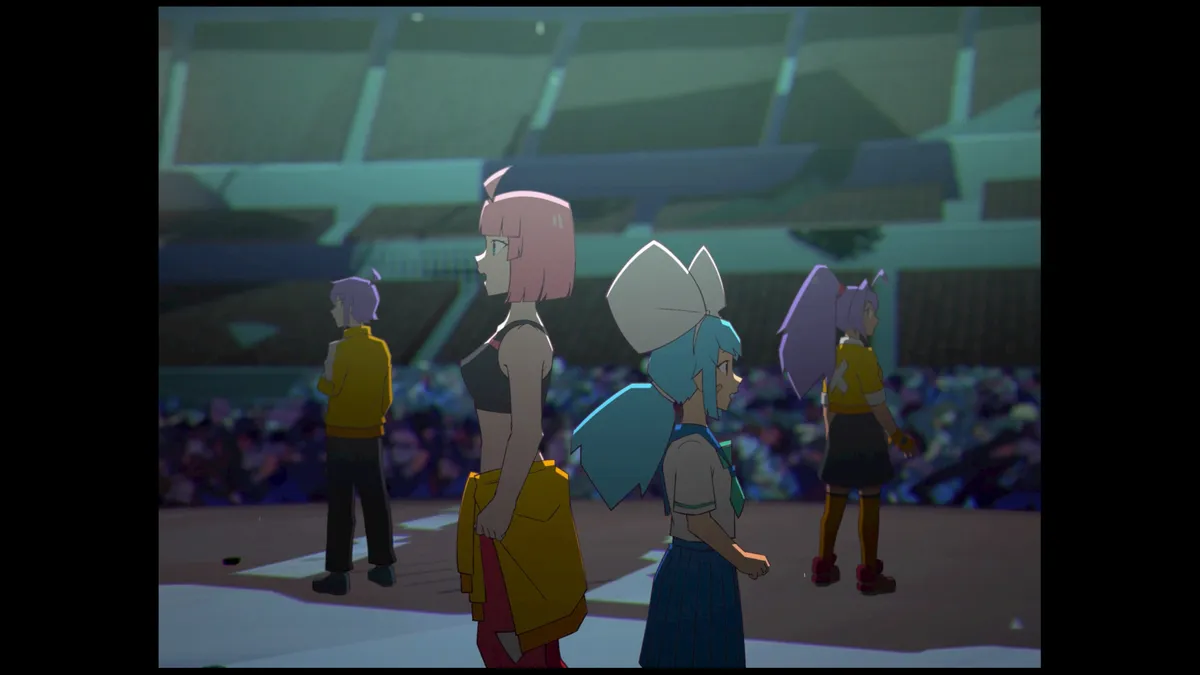
An often underrepresented part of my general taste in video games is the rhythm genre. I struggle to think of many that I've actually played extensively, but I grew up on Guitar Hero, and since then I've always enjoyed dabbling in them from time to time. I was a big fan of Crypt of the NecroDancer, and I ate Hi-Fi Rush up quite happily, and even certain action games, like Sekiro or Nioh 2, work as well as they do in part because they feel a little like rhythm games, matching inputs – dodges and blocks – to the visuals – enemy attacks.
Unbeatable was destined to catch my interest this year. The energetic trailers promised a title brimming with unparalleled style, and it was also a nice touch that many of the developers have also worked on the catalogue of Strange Scaffold, creators of the incredible El Paso, Elsewhere and I Am Your Beast. After lots of waiting, the full game is here, and in many ways, it is everything I wanted it to be and more. A blast to the soul with huge ideas and an undeniable attitude. I had a whirlwind of a time.
It's far from perfect; setting aside the ongoing issues with stability and bugs, which will likely be ironed out in the coming months, the game aims for a deeply ambitious story that sometimes feels a little disjointed in execution. That being said, in its occasional failures exists an unmistakable humanity at the core of the experience. This is a game whose developers cannot help but leave their smudgy fingerprints all over it. It may not always work as intended, but I can guarantee that there is nothing else quite like it.
11. Clair Obscur: Expedition 33
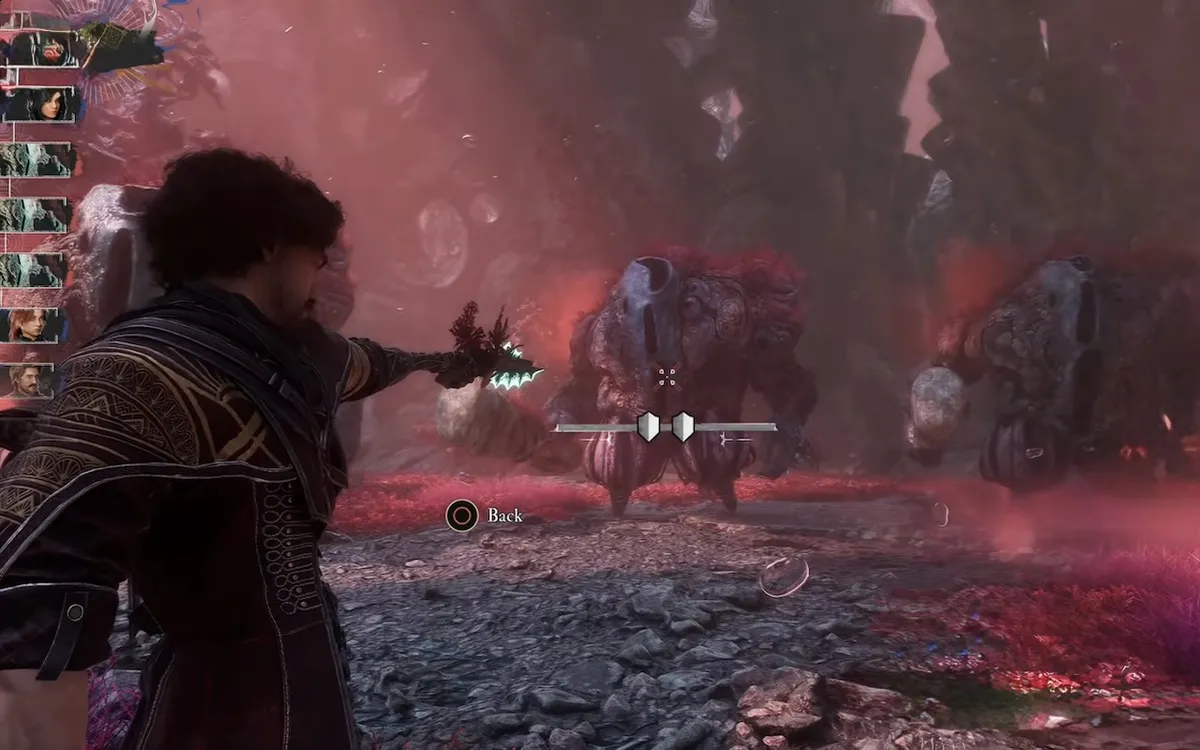
Having swept basically every awards show on the planet from top to bottom, I worry that placing Expedition 33 outside of my top 10 might come across as somewhat contrarian. After all, it's a very good game – great, even – and in many ways, it deserves its laurels, not just due to its quality, but on the simple basis of its existence being something of a miracle. The development narrative of Expedition 33 is a very pretty one, and I'm certainly not immune to it (generative AI controversy notwithstanding, though that's a conversation I'd love to get into at a later time).
But I cannot deny that there has been something itching at the back of my head about this game; a slight discomfort whenever I visualise it as one of the year's best games. Truth be told, this is a dilemma that's kind of haunted me all year. I definitely like Expedition 33. It was, at all times, viciously entertaining and absolutely gorgeous, and that ending has spun me in circles ever since I survived it. There is an unmistakable magic to the experience of playing this game. It is entirely its own beast.
And yet, whenever I think about it, something about this game feels…off. It's a thing I've struggled to put into words all year long, and I'm afraid that's not going to change now. I've wondered many things. Is it the pacing? The tone? The game's intense desire to show you something blockbusting every ten minutes? I truly don't know for certain. Maybe one day, I'll play it again, and that niggling feeling will come into full focus. For now, though, I'm going to leave it here, at a respectable 11th place. I hope my nice words from earlier do enough to justify its place on the list.
10. Despelote

Out of all the games I played this year, none other created such a strong sense of place than Despelote. You might not guess that from looking at screenshots, but it speaks to the level of craft at work in the moment-to-moment of this game that this feeling comes through so strongly. You are Julian, a young boy in Quito, Ecuador, and while the country seems to be falling apart around you, all you want to do is play football with your friends. If the intent is to ground the player in that role, then this game is a tremendous success.
But beyond that, Despelote is a profoundly affecting semi-autobiographical piece about the process of trying to capture that feeling as well. Occasionally, the game brings in a narrator – one of the lead developers on whose childhood the game is based – and he is incredibly open about the struggles and sacrifices that came with creating an authentic rendition of his hometown, but doing so with the intent of telling a particular kind of story. So rarely are games as transparent about these things as this one, and it is this creative decision that sets Despelote apart in my mind.
In saying this, none of that would matter if the game failed to affect me, but it really did. It's a pretty brisk 90 minutes or so in total, but within that time, it achieves so much and more. There are moments from this game – ones I hesitate to mention because to spoil them would be spoiling the entire experience – that I think about often, ever since I played them. At a length less than the average feature length movie, there are worse ways to spend your time.
9. Sword of the Sea
When people are asked why they play video games, one of the most common answers is likely escapism. Life is often hard and packed with bullshit, and sometimes it's nice to get away from it all for a while and be somewhere else entirely. It's not something I consider a motivating factor personally; in fact, some of my favourite moments from games are when they smash that immersive quality, be it through four wall breaks or friction points intended to frustrate and encourage problem solving. When I play games, I'm not looking to become lost in them, necessarily.
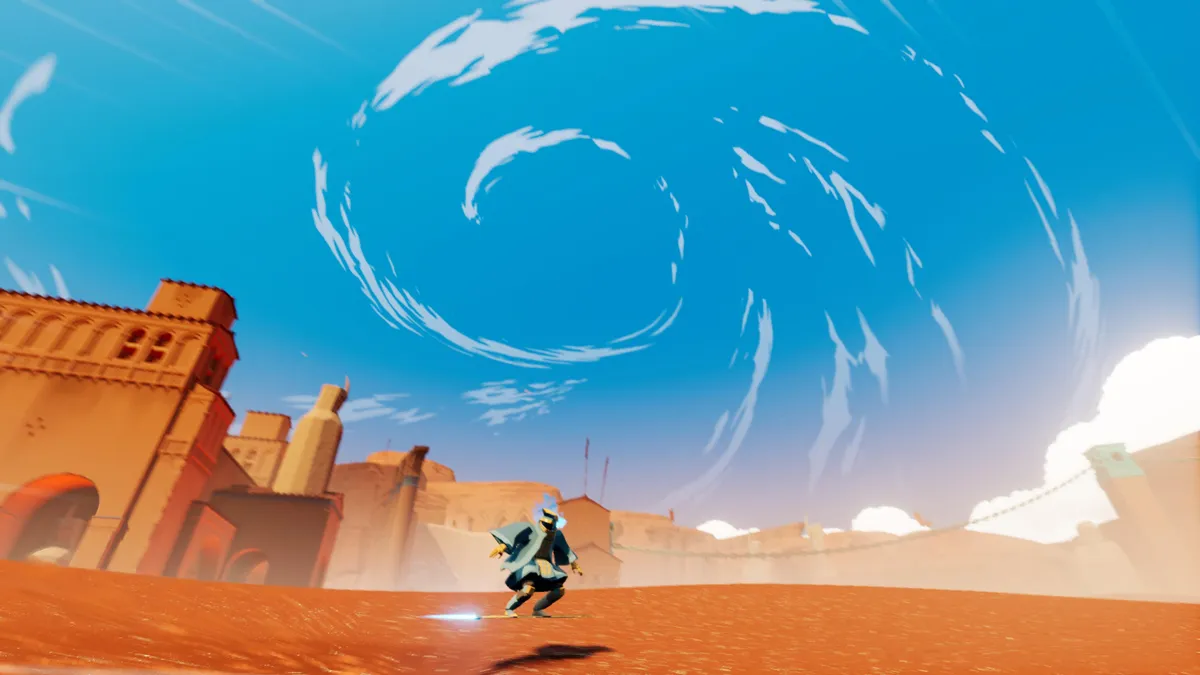
That being said, the main quality of Sword of the Sea is the way in which it completely absorbed my attention. It's a game about surfing across desert dunes and old ruins, unearthing the past of the place where you awaken, and restoring life to the land. In a way, the experience is almost mindless, not in the way an hour long doomscroll is, but in a manner closer to something like meditation. Very quickly, I found myself lost in the sounds of my sword flowing through grains of sand while the music swelled around me, and I would reach the peak of a hill to discover a vast, gorgeous landscape beyond. Occasionally, I would stumble across an old statue or weathered tablet, and a scholar from likely centuries past would wax poetic on the tension of nature's competing forces, and the imbalance which must be set right.
In a move quite unlike me, I replayed Sword of the Sea, not once, but twice. It's pretty short overall, but something about it made me desperate to return. There's an addictive quality to this experience, not dissimilar to the quiet beauty of a Shadow of the Colossus or a Far: Changing Tides that cements Sword of the Sea as a reliable comfort game that I'll be sure to return to time and again in the years to come.
8. Hades II
The Hades games are sort of special to me for a lot of reasons. For one, I was a Greek mythology kid growing up. My parents bought me this book of all the famous myths that I just poured over, cover to cover, religiously, and I grew up in love with the Percy Jackson series. Beyond that, James runs a D&D campaign for myself and a couple other friends which essentially uses Greek myths as a framing device for our own original heroes to participate in James’s interpretation of those millennia-old tales. These stories have played a weirdly significant part in my life, and still do to this day, so naturally when I played Hades shortly after it came out, I was absolutely obsessed.
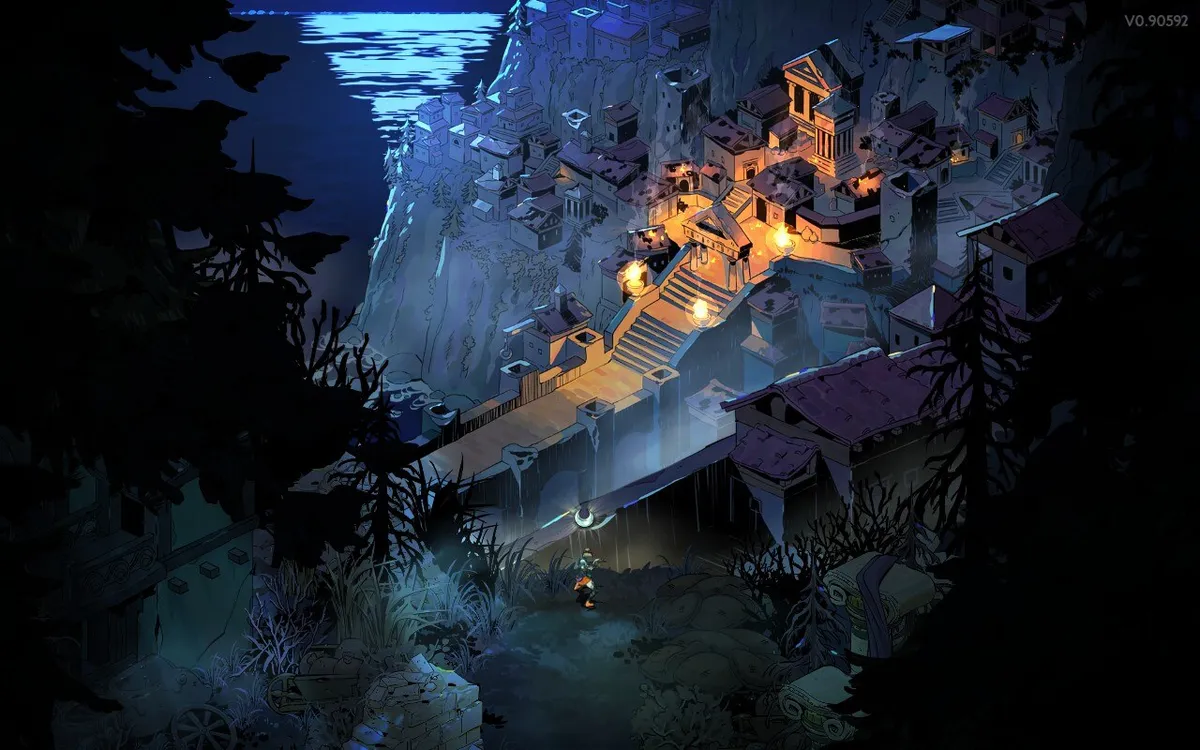
I'm not the first person to say this, but Hades II is, by all accounts, more of a thing I already loved. It makes small mechanical changes and the stakes are decidedly more apocalyptic than before, but ultimately, I've eaten this dish before, and I'm quite happily ordering it again with full knowledge of what to expect. Having played the game through now (not including the epilogue), I can confidently say that some things worked better for me, others felt worse, but overall, I loved my time with it.
Though, I think it's somewhat telling that, unlike the first, I didn't feel compelled to return to this game once credits rolled. I left feeling satisfied with my time; it looks and sounds immaculate, and it boasts a fresh cast of characters who I quite predictably fell hopelessly in love with. While I lack in the level of excitement I felt for that original outing, and I'm still waiting for a Supergiant game to make me feel anything on the level of Pyre again, I had fun with this one, and I would quite happily play it again someday.
7. Silent Hill f
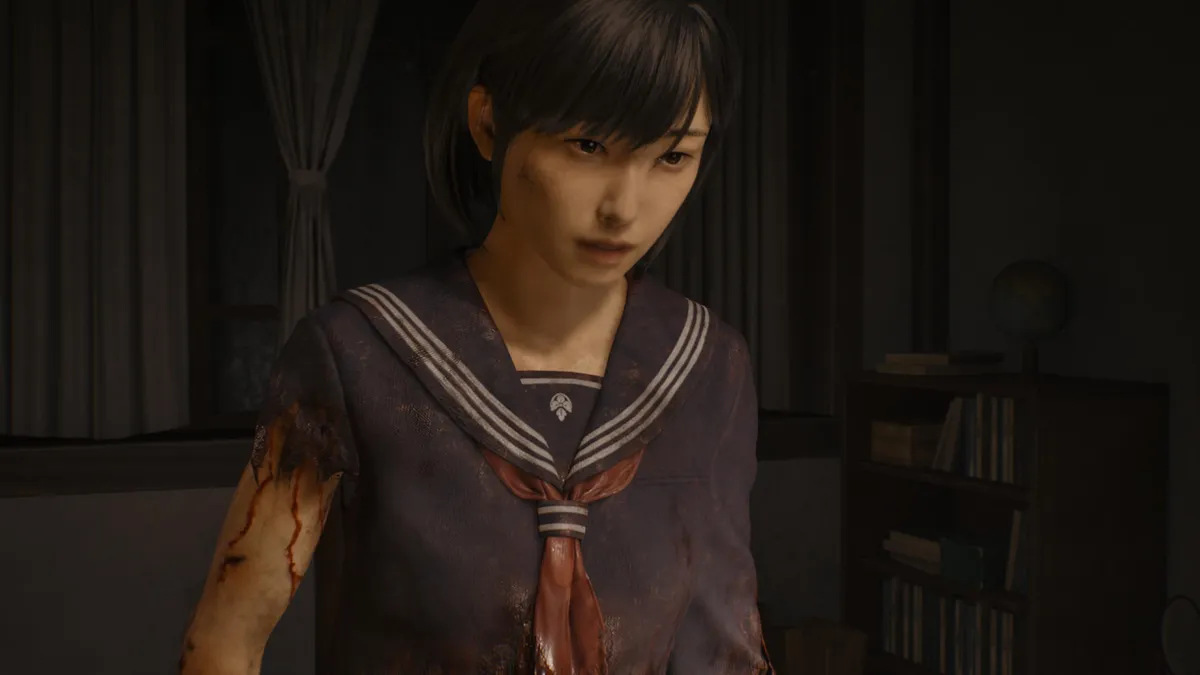
For a while, I found the Silent Hill series slightly impenetrable. Part of that was because Konami have historically done a terrible job with preserving these classics, so they were quite literally inaccessible to me for a long while, but I can't deny, I was also a little intimidated by them. I am, quite famously, a little baby when it comes to horror games. I'm much better now than I used to be, but to this day, I seriously struggle with them. Scary movies and books are totally fine by me; once you add the interactive element, all of a sudden, the stakes feel so much higher, and my life so much more in danger. That being said, I eventually managed to pluck up the courage to try Silent Hill 2 – both versions – and this year I felt very equipped for the newest instalment, Silent Hill f.
This game had big shoes to fill. Last year's Silent Hill 2 remake was by no means a sure hit, but given that Bloober Team were working with a tried-and-true beloved story already, there was some assurance of quality there already. Silent Hill f, on the other hand, is the first original mainline Silent Hill game in years. It had a lot to prove, and from where I'm standing, I'd say it succeeded in leaps and bounds. It's a real tour-de-force of haunting storytelling that, in classic Silent Hill fashion, is unafraid to push boundaries and examine the darker parts of the human psyche with a radical empathy most wouldn't dare to entertain. Moreover, it tells a prescient tale of freedom and autonomy that will undoubtedly resonate for all sorts of people living in our current circumstances. I know it did for me.
Silent Hill f doesn't have the best combat in the world, and its implementation of multiple expected playthroughs, while novel and effective, could have been more ambitious, but disregarding it on those bases would mean denying the brilliance and power of its narrative. Few games this year pulled empathy out of me quite like this one. It introduces seemingly irredeemable characters, and then fleshes them out in such a way that you are forced to recognise the humanity within them all. It is a disquieting, intriguing, horrifying, and deeply beautiful experience, oftentimes all at once, and I will hold it in my heart for a while yet.
6. Consume Me
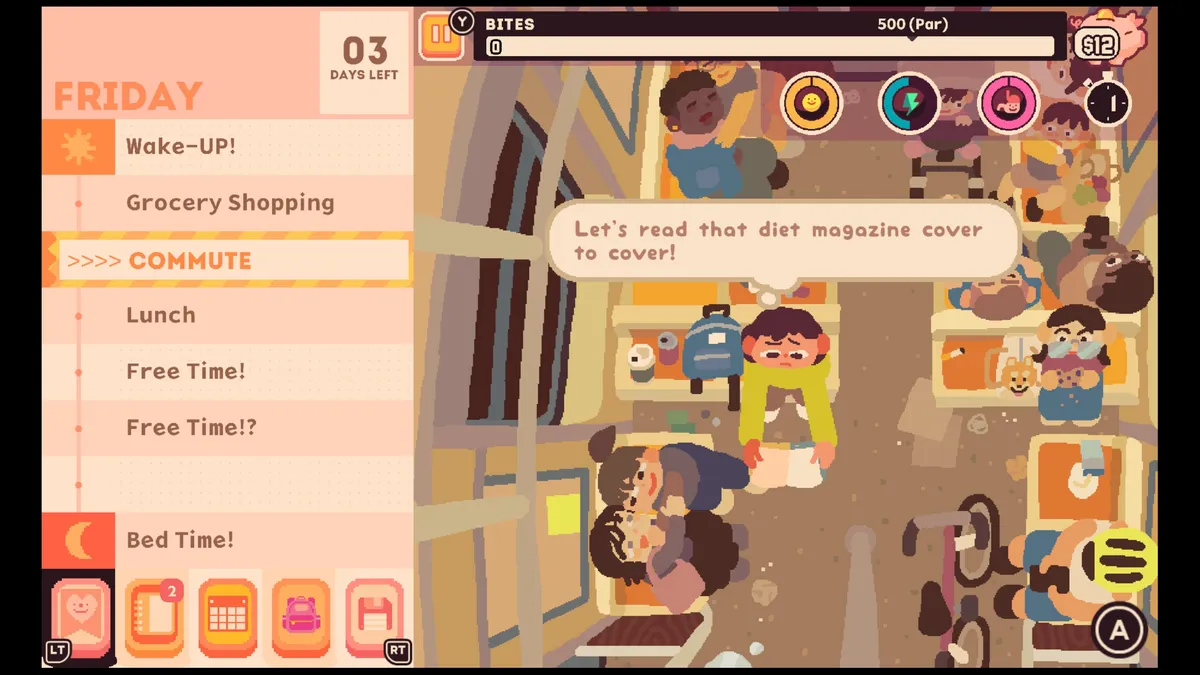
Apparently, 2025 was the year of semi-autobiographical experiences told through the medium of video games. Despelote was one, and the other is the magnificent Consume Me. This one is about being a teenage girl, but unlike Lost Records which aims for a more cinematic presentation, Consume Me is essentially a life management sim tied together by a series of WarioWare-style minigames. In this game, you play as Jenny, who decides one day to dedicate her life to the pursuit of dieting. She gamifies her situation, turning every facet of her being – energy levels, hunger, and happiness – into manageable stats, and transforms her days to fit these arbitrary expectations she sets upon herself. As the game progresses, these self-appointed demands become more and more challenging, as responsibilities begin to pile on, and after a while, you are simulating the world's least okay lifestyle in human history.
I really connected to this game. I haven't suffered from any eating disorders as harmful as Jenny’s, but I know the anxiety of failing to meet your own expectations of yourself, and the agony that comes with that. I'm not a religious person, but I relate to the experience of finding something that takes the edge off of your shit life filled with despair for even a moment, and hanging onto it for dear life. Even if my own child- and early adulthood aren't a one-to-one match with Jenny's, the game does a phenomenal job of capturing the feelings associated with those moments in our lives – the desperation, the fear, the relief – and simulates it entirely through mechanics. It's a really impressive feat.
I know some have levelled criticism at this game for all sorts of reasons, and many are valid, but I would also argue that this is the beauty of the autobiographical tale. These kinds of stories are, in a way, difficult to criticise as you might a piece of fiction. It's less about the story being told, but rather how it is told, and I found that Consume Me struck the perfect balance between feeling impossible and just about achievable that captures the essence of being a teenager with too much shit to do in a world that's just too big. It's wonderful.
5. Eternal Strands
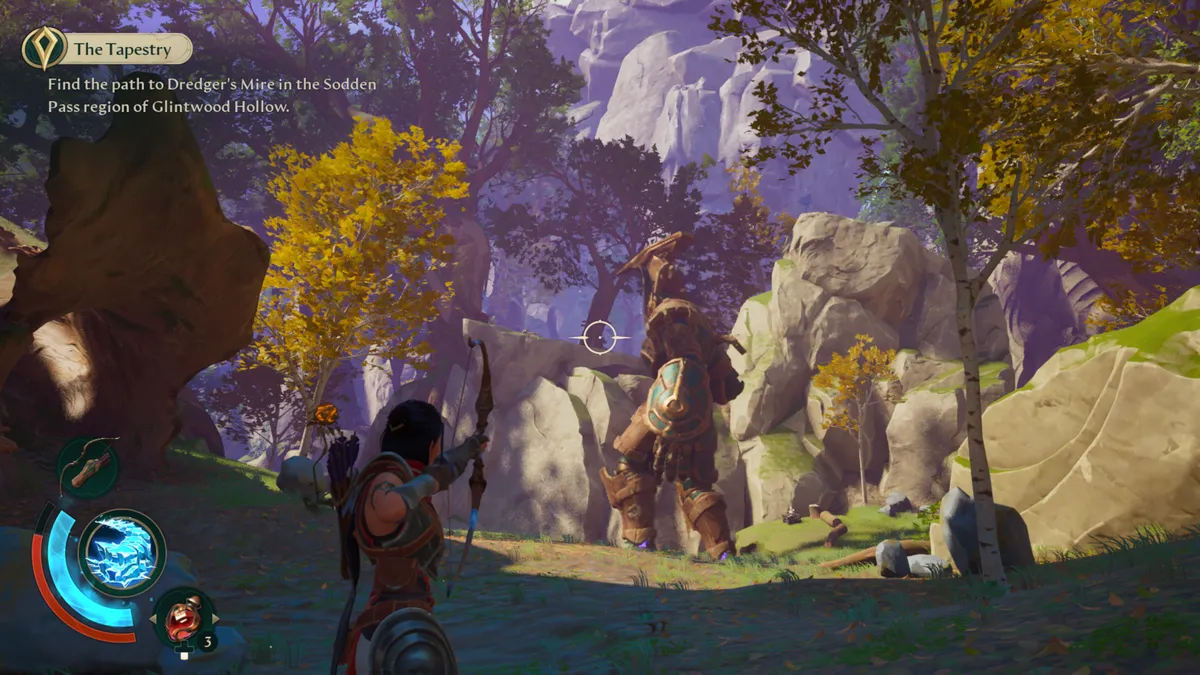
I'm a pretty big fantasy fan. It comes through in a lot of the games I play, but I also indulge this passion through D&D and the anime I watch. In the evergreen ‘Sci-fi vs Fantasy’ debate, I fall into the latter camp. I love magic, weird monsters, and otherworldly situations. More than that, however, I love the worlds this genre so often upholds. Dragon Age, for example, has a universe so interesting that four games, a couple of animated shows, and a plethora of books and comics still feel as though they barely scratch the surface of that series’ potential.
Eternal Strands is in that same vein. High fantasy, sporting a handful of different fantasy races within your band of allies, and all but dying to expose you to its intricacies. When you're not learning about the history of the world from one character, you're hearing about the culture of another. And what characters these are! I love this merry troupe of troublemakers. Each has their own set of issues to unpack, and as the assigned story protagonist, it's your job to help solve them. The writing is naturalistic enough that no one individual ever comes across as tropey or shallow. Every conversation feels grounded in a rich life well lived up to that point, and by the end of the game, I came to care about my friends and awful lot.
Eternal Strands is delightfully indulgent in its wish for the player to take their time going through it. It's easy to get lost in the atmosphere, as each run through the world reaps fresh rewards and story progression to enjoy. You don't take your time necessarily – the world is technically on the brink of ending – but you're given enough leeway to feel the breeze on your skin, listen to the birds sing, and become a part of this gorgeous world. If you like action-adventure games with a unique combat twist, consider giving this one a try.
4. Baby Steps
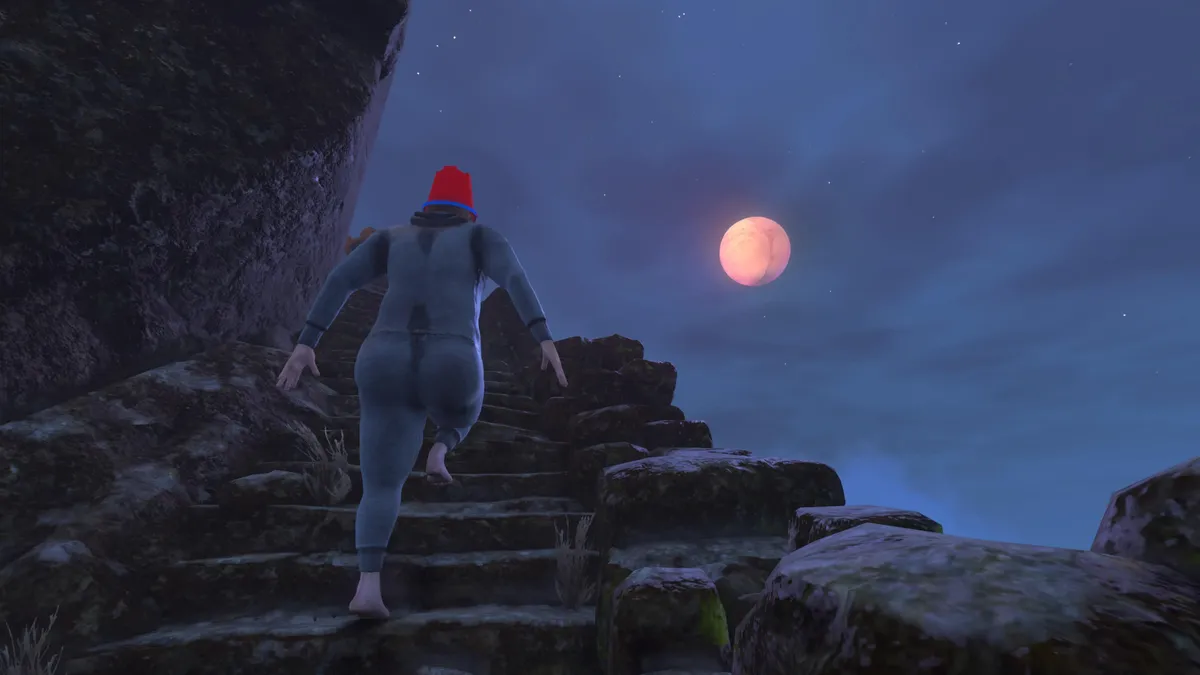
The ragebait game is a fairly new phenomenon, born from the popularisation of streaming. There's nothing quite like sharing in the despair of a person who pressed one wrong button and went careening off a cliff into an abyss, losing hours of progress. Getting Over It with Bennett Foddy is the obvious example of this, and Baby Steps is his next game, made in collaboration with Ape Out’s Gabe Cuzzillo.
I am here to tell you that, contrary to popular belief and all available example, Baby Steps is NOT a ragebait game. Or rather, there is simply too much artistry on display here to dismiss it as such. Baby Steps does so much right. The game boasts a truly intricate open world packed with beautifully designed challenges to overcome and plenty of activities to engage in, and those activities are made automatically more fun than 95% of other open worlds with one simple design trick: let the player find them completely on their own. The game has no map, not any quest markers; you're simply expected to figure it out yourself, and while that can feel daunting early on, there's an elegance to the world design where I rarely felt lost, and if I did, it was never for long. Also, stumbling your way to the next checkpoint entirely by forging your own path gives progression a distinctly significant feeling. At times, it truly felt like I was beating Baby Steps at its own game, picking out weird routes that might not have been the most efficient, but I was confident would work, and most of the time, with a little grit, they did.
Baby Steps is not just a hard game that's satisfying to overcome. It's also, for all its absurdity, a deeply sweet story about one man's quest to build enough confidence to ask one person for help. The thing I appreciate most of all about this game is how subtle it executes its themes. It never halts you with a grand speech or expects you to achieve any especially insane feats of attrition. Nate, the protagonist, changes surprisingly little throughout the experience. He's groaning and weeping at the start, and he groans and weeps all the way to the end. He isn't suddenly a hyper confident chad or whatever. He is, however, at journey's end, a little better off. It's a small thing, a baby step, but sometimes, that's all it needs to be.
3. Monster Hunter Wilds
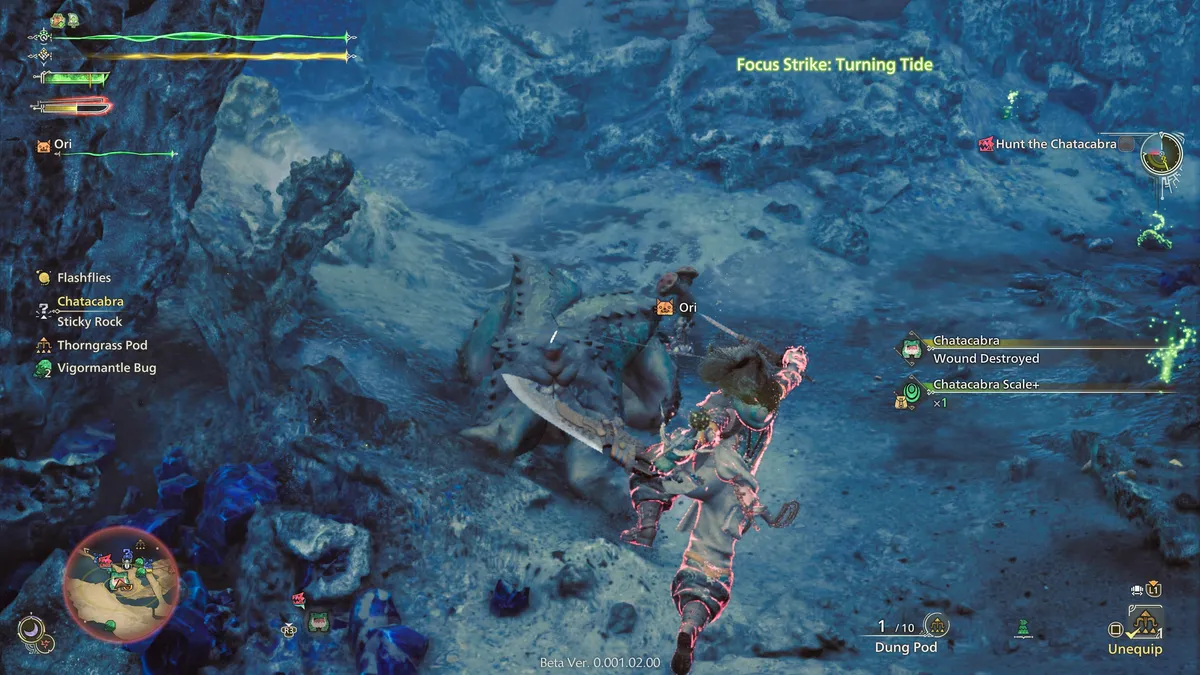
I did not expect this game to reach the heights that it now has. I wrote both an early impression and a full review of Monster Hunter Wilds, and in both cases, I came away from the game satisfied, but ultimately prepared to somewhat dismissively label it as mindless entertainment at most. Months went by, and for some reason, around November, I felt compelled to return. I think a new free update had been announced, though I'm not certain, and me and James were hoping to see news on an expansion at the Game Awards, which sadly did not manifest. At this point, I had a solid enough grasp of the experience, but I had fallen a little behind on the meta. So, I started small, targeting a weapon I wanted to craft, and went from there.
One real-life month and 60 played hours in-game later, I can safely say that I am a sworn Monster Hunter soldier. I don't know how this happened! I tried Rise in 2021 and fell off, then in 2024 I gave World a genuine try and liked it better, but still it failed to grab me. The difference, it seemed in the end, was that with Wilds, I got to sit in a room with my best friend James, a Monster Hunter veteran, and scream and shout as I slowly built up my knowledge under his tutelage. I've said it before and I'll say it again, but I am not typically an enjoyer of multiplayer games. I'm not really competitive by nature, and when I play with friends over voice call, I tend to feel sluggish and lazy and can't go for very long at a time. Monster Hunter has been a beautiful avenue for sharing moments of joy and excitement with a person I hold dear. Nothing activates the ol’ dopamine quite like your friend going “oh, I like your armour, is it new?”. Maybe I should have been born a knight or something.
Of course, none of this would make a difference if it weren't for the game's endless charm. From delicious feasts to bespoke blacksmithing animations, every part of Wilds oozes personality. Throw in the later inclusion of the Grand Hub and you've got yourself an honest to God third space to hang out with friends and chat idly in between hunts. Maybe you'll sample some of the Diva's beautiful performances when they appear. The ever-evolving events calendar of Wilds, where shop inventories refresh, the weather changes, and special enemies cycle in and out at your convenience, lend the game a grounded believability that I've never experienced in quite the same way before.
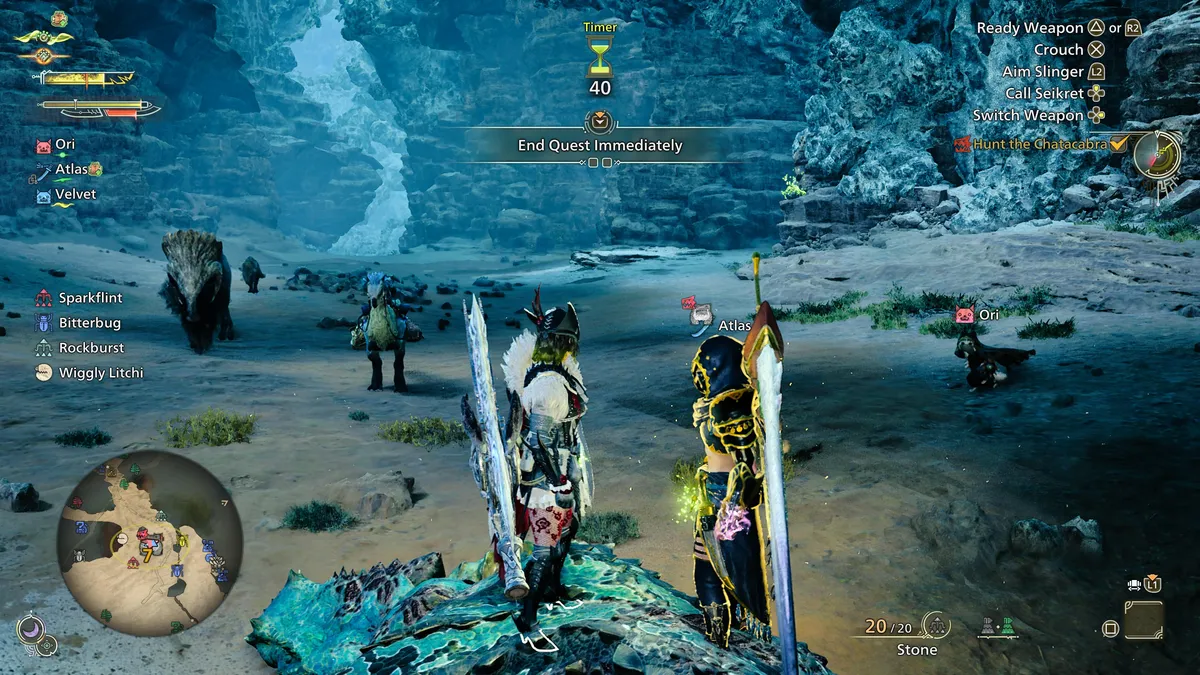
Monster Hunter Wilds doesn't have a skill ceiling, per se; it's not a particularly difficult experience until you reach the post-game content. Rather, it's something closer to an experience ceiling. I spent a long time in Wilds trying to connect with it through my usual avenues – story and personal connection – when there was something else staring me right in the face all this time. For so long, I ignored the simple reality that, sometimes, it's just fun to share a passion with people you love. I'd become so accustomed to gaming as a solitary hobby that I didn't even consider that as a possibility. James, you will probably read this and think it's sappy and embarrassing, but without a doubt, Monster Hunter Wilds, and your willingness to put up with my stumbling around in the dark, made a very difficult year much more bearable. So, thank you. And you better be crying by now bitch, I don't bear my soul for free.
2. Wanderstop
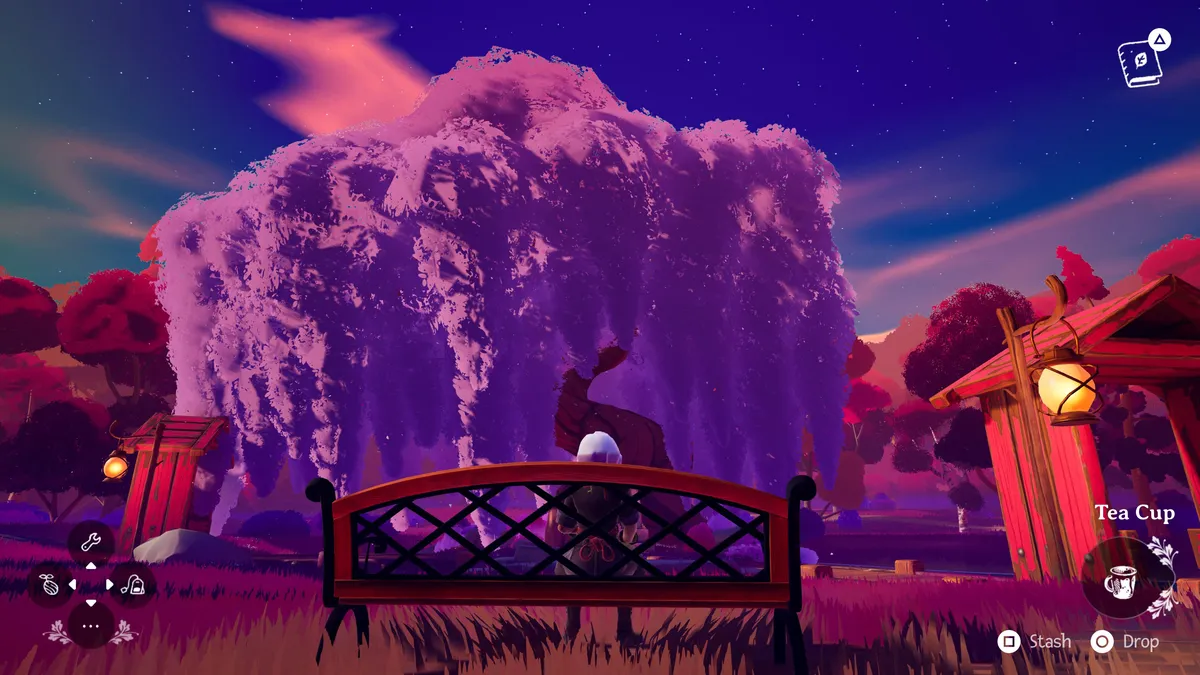
In a way, Wanderstop is a game for almost nobody. Folks accustomed to action and thrills will bounce off by default, while fans of the cosy game genre will likely find the systems shallow and the narrative potentially intrusive. It's a cosy game about cosy games, and that statement alone will turn off many, because it might imply a level of cynicism in the design; an ascended attitude that seeks to deconstruct the genre while navel gazing at those who enjoy that kind of experience.
Wanderstop is not that game. It's subversive in ways, but approaches its message with a maturity rarely seen in games like this. It is about cosy games insofar as it examines the utility of them within the context of living life. Specifically, the protagonist, Alta the fighter, experiences a series of losses and begins to spiral, eventually stumbling upon Wanderstop, a tea shop in the middle of an enchanted forest. Suddenly unable to find the strength to lift her sword, she reluctantly takes a job at the shop, serving tea to customers and keeping the place tidy, until she feels fit enough – both physically and mentally – to return to her old life. So, we have a cosy game where the protagonist doesn't want to be there, and constantly complains about her circumstances. She often explodes at the kindly shop owner, Boro, and says cruel things, and yet he refuses to give up on her, believing truly in his heart of hearts that all she needs is the kind of quiet time he is able to offer her.
The game is slow and uncomplicated. It's a game of keeping whatever routines you want, at whatever pace you like. Sometimes, there's truly nothing to do, and all you have as an activity is making a cup of tea, sitting on a bench, and sipping away while reminiscing. Some memories are nice, but others sting. You get the sense that Alta has never taken the time to sit and think about some of these moments. There's an exasperation to her voice; oftentimes she'll say one thing to herself, then take it back, knowing that she's really just telling herself whatever pretty nothing will let her cope, rather than confronting her issues. The game revels in its periods of absolute emptiness. It encourages you, the player, to do the same.
And so, I did. After playing Wanderstop I started taking time out of my day – five minutes, maybe more – to sit in silence, alone with my thoughts. To do nothing – truly nothing – is shockingly difficult. I am so accustomed to having something going on around me. Music, a YouTube video, a podcast, a social media feed… only through Wanderstop’s light encouragement did I come to realise how preoccupied I am with filling the voids in my life. Am I scared of my own mind? Not really. So what's the harm in saying hello once in a while.
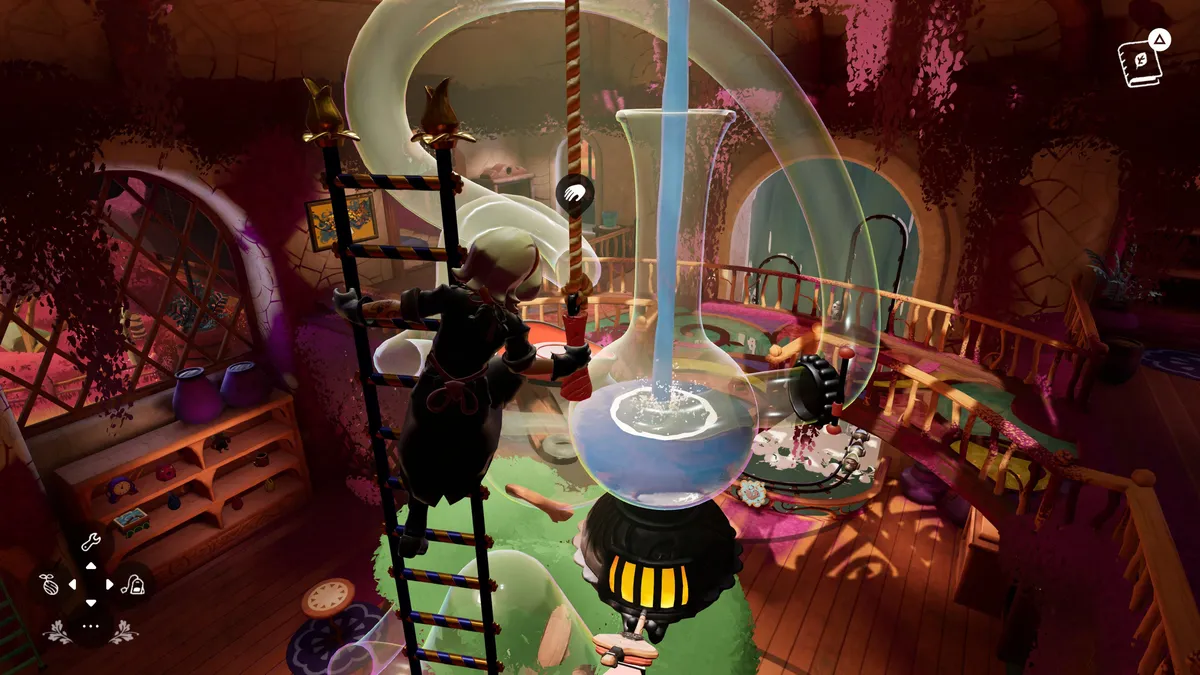
This game came out at a perfect time for me. I had recently taken mental health leave from a job that I would later quit altogether. I was waking up daily in a state of rotting anxiety. I would walk up the pavement to work and feel a pit of dread well up inside me. The morning I decided to call in sick, I had the thought “if I go in for my shift today, I will die”. Wanderstop didn't cure me, of course; it's a video game, after all. However, what it did do, much like any meaningful work of art might, was remind me that somewhere in the world, another human being had experienced what I was suffering at that moment, placed a gentle hand on my shoulder, and told me that I was going to be okay. Sure enough, with time, I got better. Of course, the anxiety of unemployment now reigns supreme in my life, but for a game to feel like that, like a friend in a crowded room, must mean it did something right. Wanderstop may be a game for almost nobody else, but it was certainly a game for me.
However, one other game came out this year that somehow surpassed it. An experience that is straightforwardly beautiful in every sense, and despite first playing it all the way back in January 2025, refused to leave my mind for the entire year that followed. That game is…
1. CITIZEN SLEEPER 2: STARWARD VECTOR
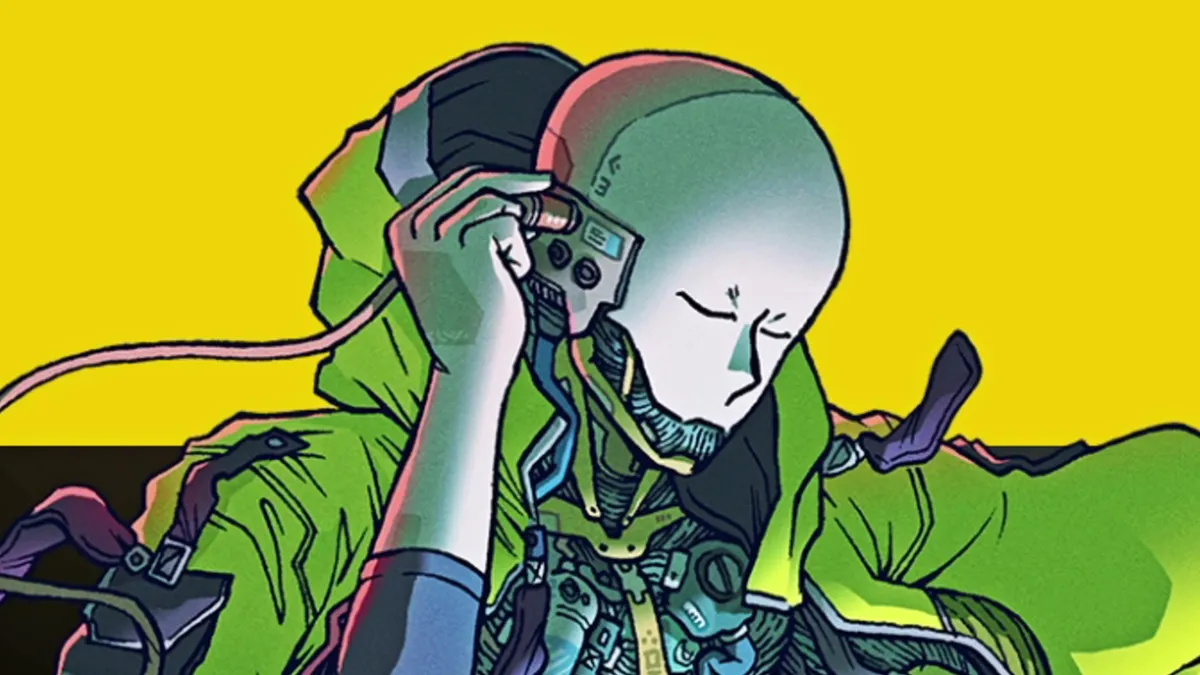
At the heart of Citizen Sleeper 2: Starward Vector lies a question: if you knew you were nearing the end of your life, and you had little capability to stop it, is life still worth living? In this game, from the first frame, you are on the run. Everywhere you go, you cannot stay for too long, because otherwise you'll be caught and your consciousness erased. You are denied the ability to put down roots and experience true community in the oppressive void of space. Your life becomes a relentless series of hops, skips and jumps, paired with the ever-present fear that someday, somehow, you'll slip up and it'll all be over.
On top of that, you've got the basic necessities to deal with: food, rest and, being a robot, regular repairs to your frame. These all cost money, so on top of the constant threat of malicious pursuit, you need to take on dangerous jobs to get your funds up. These can range from scavenging to search and rescues and a variety of roles in between. You steadily accrue a reliable handful of crewmates, and it's up to you to utilise their talents effectively. Every action is a dice roll, and sometimes, shit just goes horribly wrong for reasons completely outside of your control. You can be the most prepared android this side of the galaxy, but if Lady Luck decrees it, your plans might just fall apart. It's unfair, and you curse the universe that forces you to endure these hardships.
That feeling is a consequence of the careful balance of mechanics – a marriage of survival maintenance, time management, and luck – that was present in Citizen Sleeper, and continues to work like magic here. There's truly no other game that achieves this kind of emotional rollercoaster.
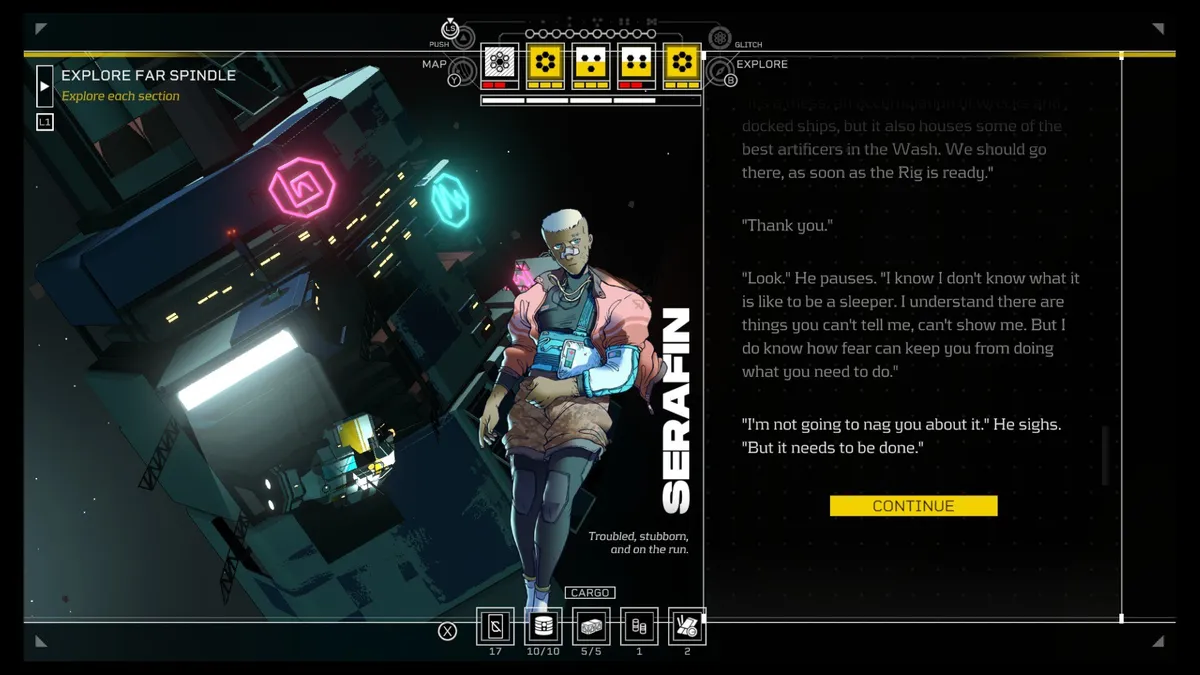
However, what allows both of these games to work, what solidifies them as some of my favourite games is their warmth. Citizen Sleeper 2 is an oftentimes stressful, and occasionally devastating, experience, but it is also one dedicated to providing the player with people to care about and beautiful moments to hold dear. Your crew is a selection of fuckups and weirdos with their own individual brands of complexes to either overcome or descend into, and they provide such richness and texture to this cold, uncaring setting. Rekindling your friendship with Serafin, accidentally cultivating mushrooms in the ship hold, delving through ancient stations with Juri, and many more adventures instill your endless escape effort with wonderful purpose.
I think now more than ever, it feels like we're all just drifting through the world. Every passing year, it becomes consistently clearer that we have very little control over the trajectory of our lives. We exist at the whim of a handful of childish billionaires choking on delusions of grandeur. The United States government invades and pillages with little pushback, while executing their citizens in broad daylight while telling us not to trust our own lying eyes. My government in the UK continues its descent into bigotry and persecution, chasing a mythical changeable far-right voting block that does not exist, whilst continuing to prop up a genocidal state, signifying, now more than ever, the lie of rules-based global politics. We are in dark, unpleasant times, and I doubt we'll be finding our way out of this tunnel any time soon.
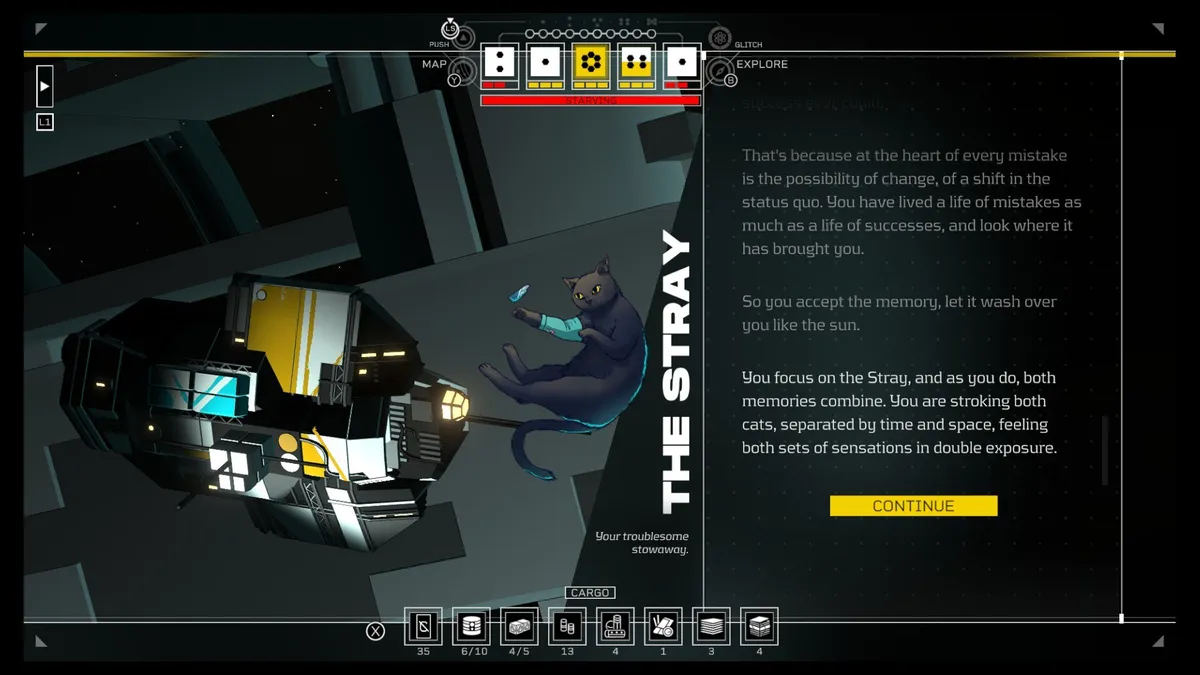
And yet, while sitting in this unpleasant feeling, what I took away from Citizen Sleeper 2: Starward Vector is this simple sentiment: life cannot help but keep finding ways to justify itself. A job might fall through and leave you exhausted, but when you get back to the ship, there's a stray cat waiting to greet you. You could encounter a close scrape with some mercs in the back alley of a space station, but you'll always have your crew to back you up and support you through the hardships. Life is hard and cruel and oftentimes unfair. It's easy to become consumed by hopelessness, and feel like you are nothing. However, despite that, life is also filled with unexpected beauty. Moments which remind you that you are real, and present, and loved, and the universe is better with you in it.
“You are a bent and broken thing, and you have nothing left but that brokenness, and the beauty that shines through it.”
It's all worth fighting for. Every single thing.
If you've read my stuff long enough, you'll know that I'm a rambler. I can't help it; I love to talk endlessly and this blog is nothing if not an exercise in word vomit. I talk about games the most, because I care about them. I love the ways they make me feel and how they make me think. I am obsessed with the stories they tell and the experiences they provide. Sometimes, though, I play a game, and the feelings I get from it are difficult to encapsulate with words. And so, I let my mind wander, and what comes out the other side is raw and often probably incomprehensible. It's entirely possible you play Citizen Sleeper 2 and come to the conclusion that I was chatting utter shit. That's okay.
If I learned anything in 2025, it was that the way I choose to love video games is okay. I've always felt a little insecure about that. I have a habit of believing that the way other people live their lives is, by default, better than how I do it. In truth, though, that's a torturous way to live. It's a cycle of pessimism and low self-esteem, defined by an inability to trust oneself in anything. By the end of 2025, I felt a sort of peace in myself. I know what I like, and what I don't, and what I want more than anything in the world is to scream that into the world. So, here's to another year of ill-advised oversharing and absolute narcissism in written form. I wouldn't have it any other way. Take care, my loves xx